Brookline Modern Revival
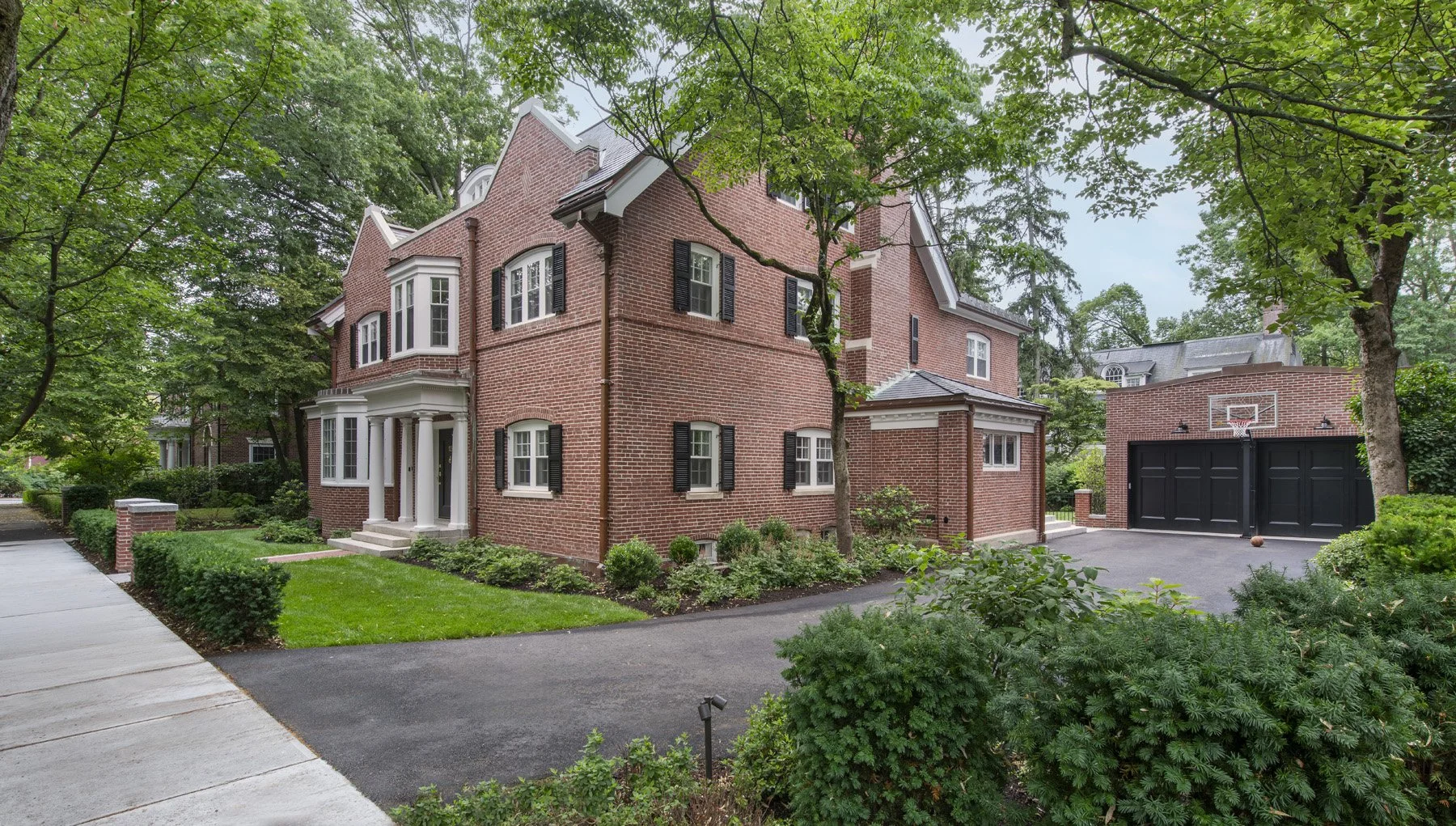
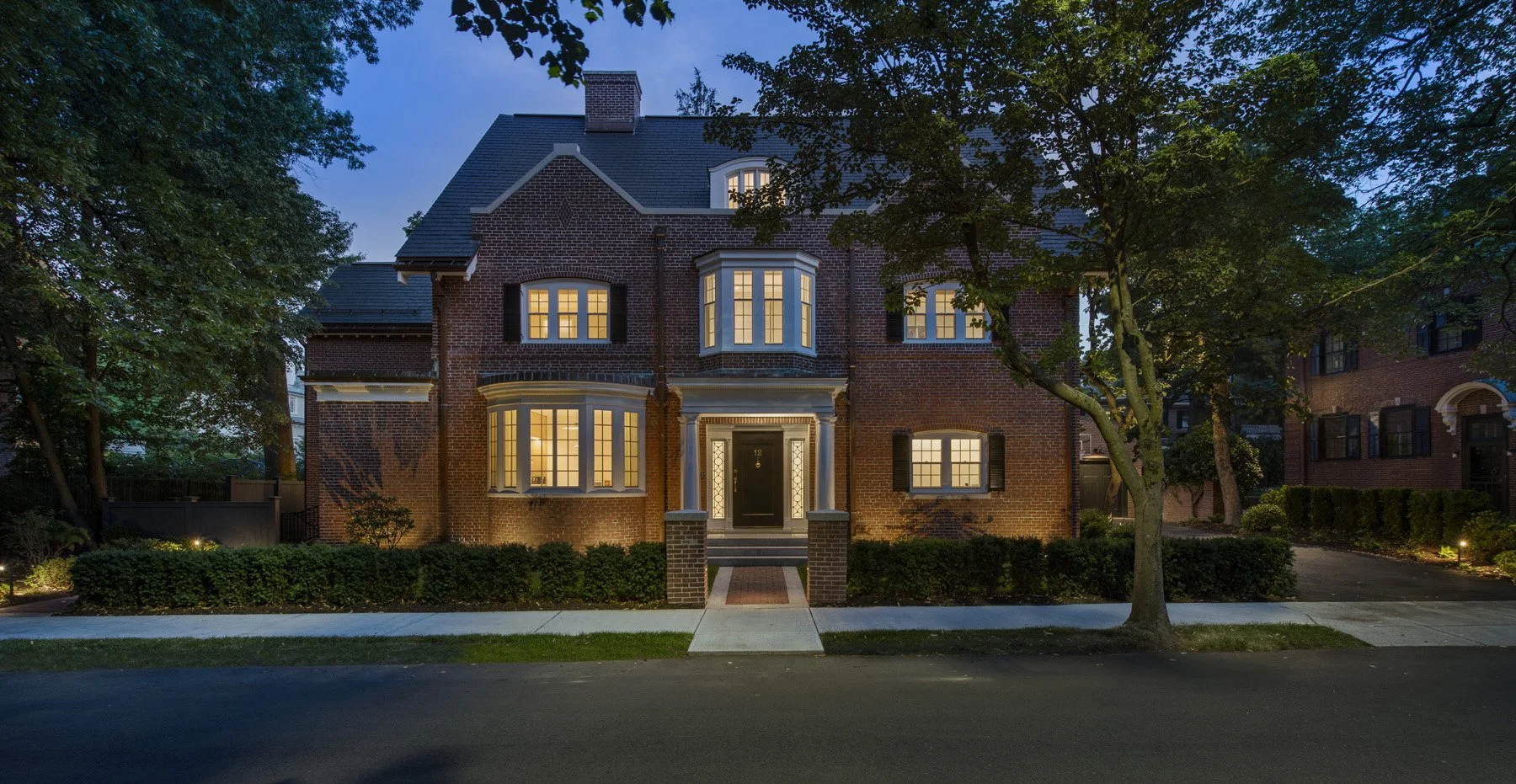
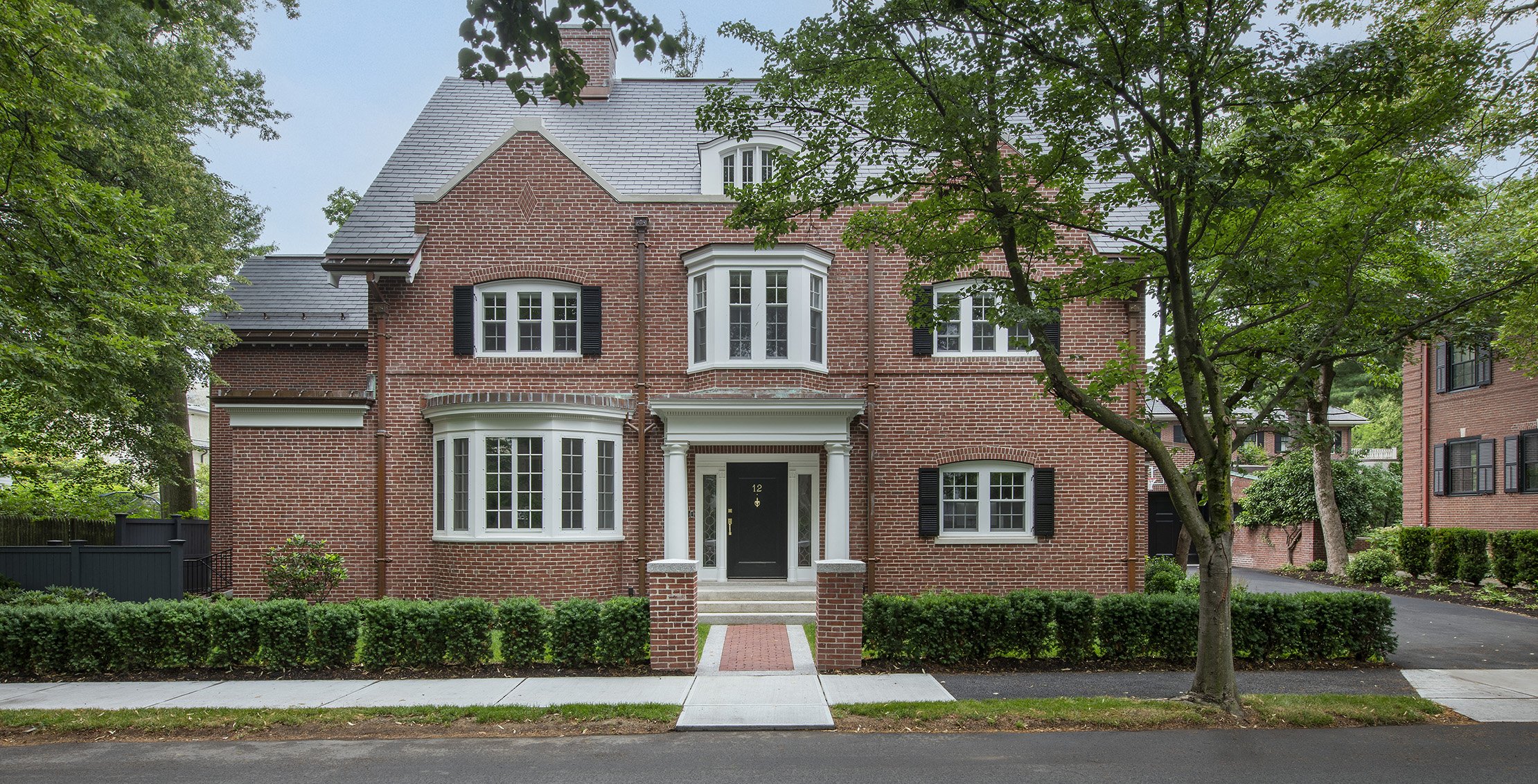
Located in Brookline’s Cottage Farm Historic District, this This 1912 residence was reinvented for modern family living through a bold and comprehensive renovation. Guided by Brookline Preservation Commission’s Local Historic Guidelines, the design preserves the home’s brick and limestone exterior while introducing a modern rear addition that clearly distinguishes old from new, enhancing natural light and strengthening the connection to the backyard.


Location: Brookline, Massachusetts
Services:
Custom Home Design
Energy Consulting
Design:
Bedrooms: 5
Bathrooms: 6, 2 Half
Square Feet: 7,031
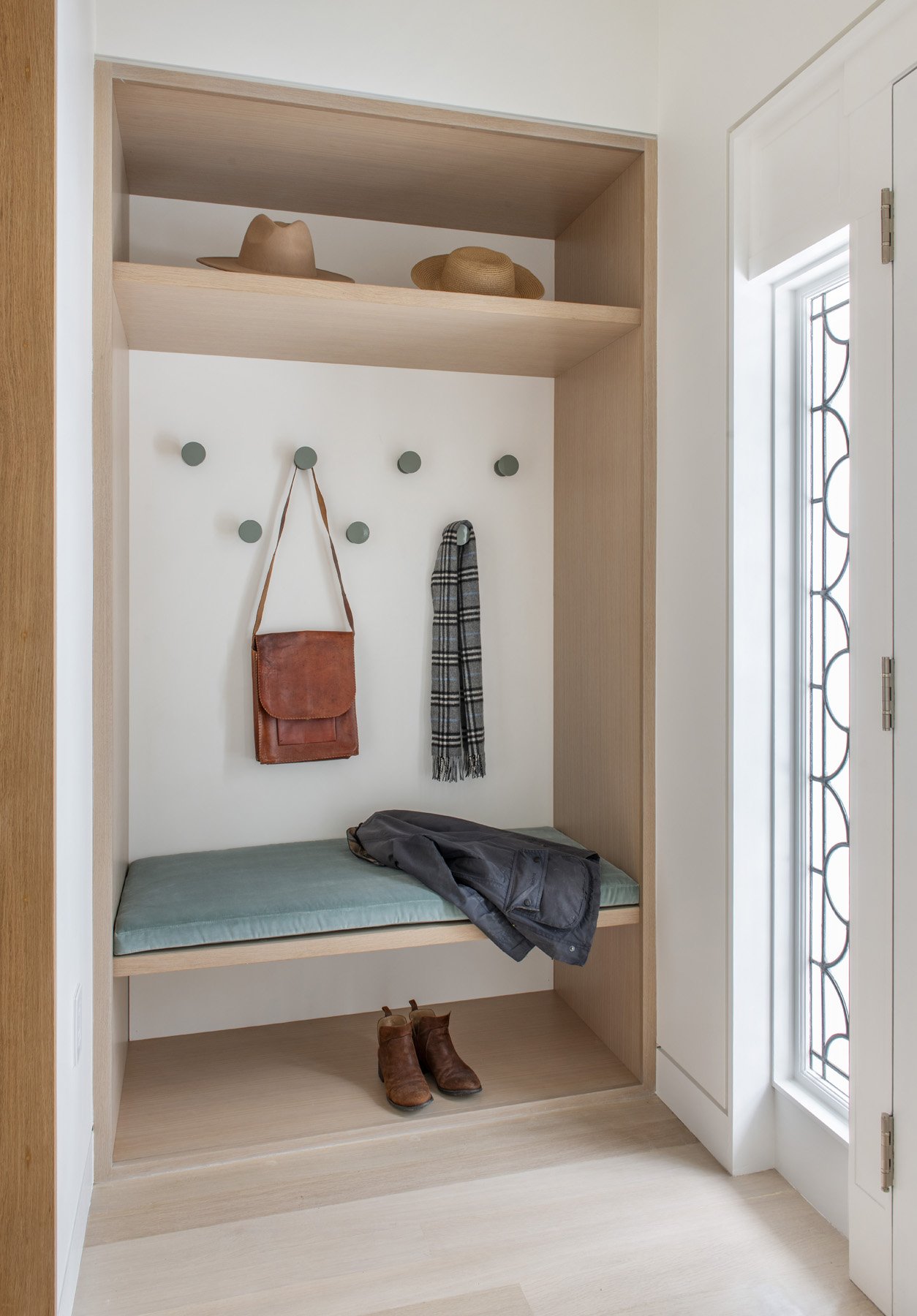
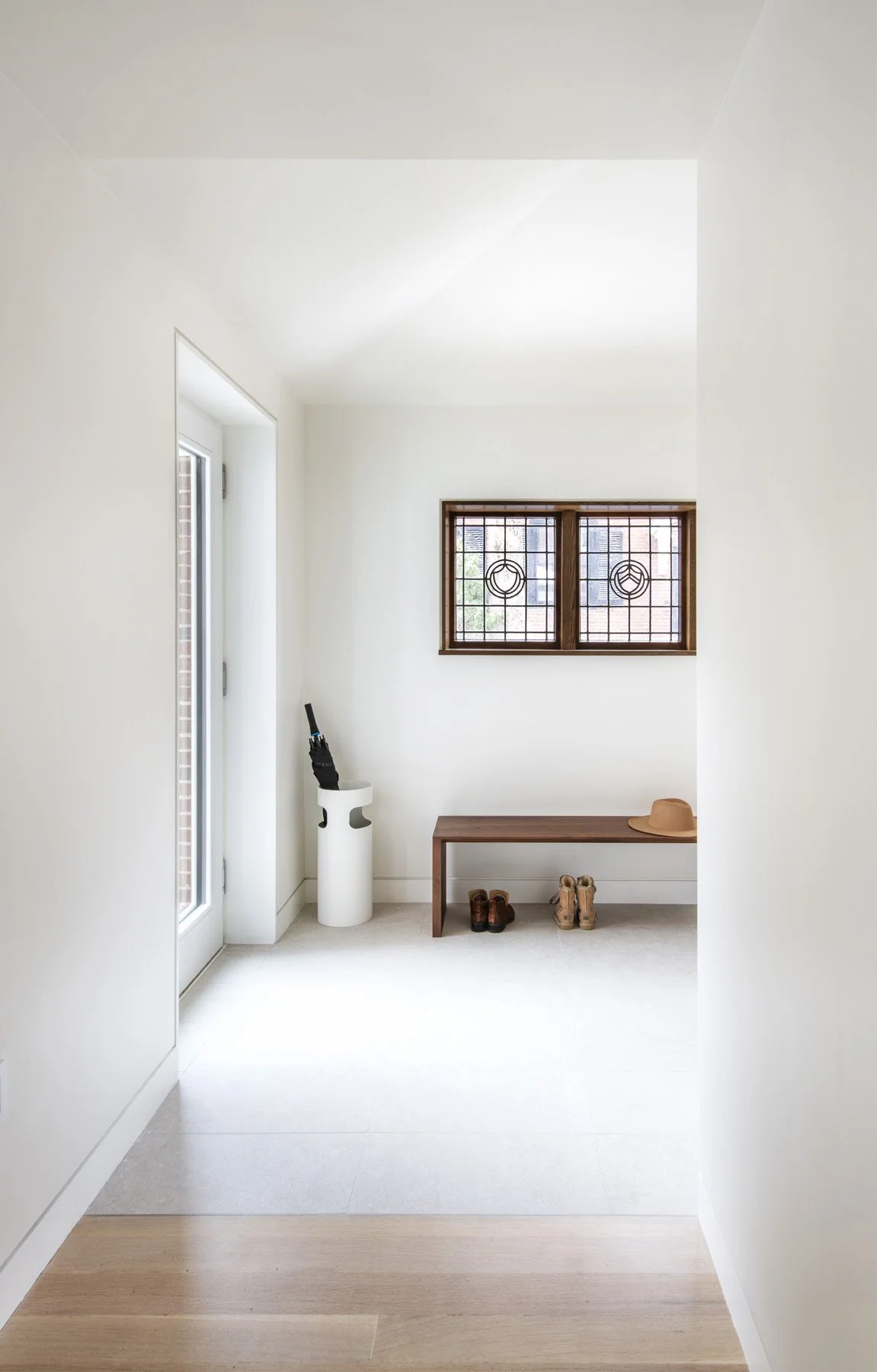
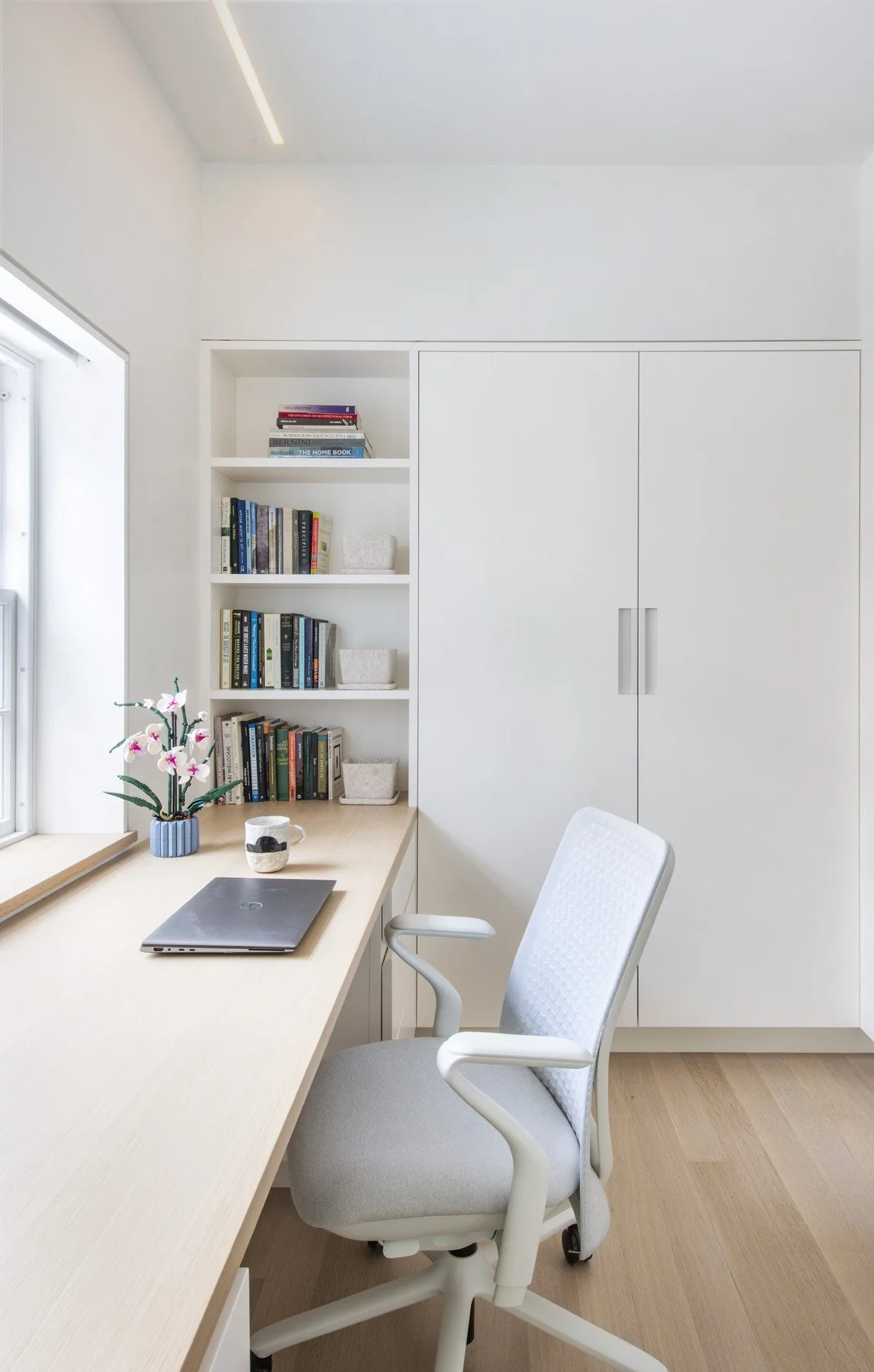
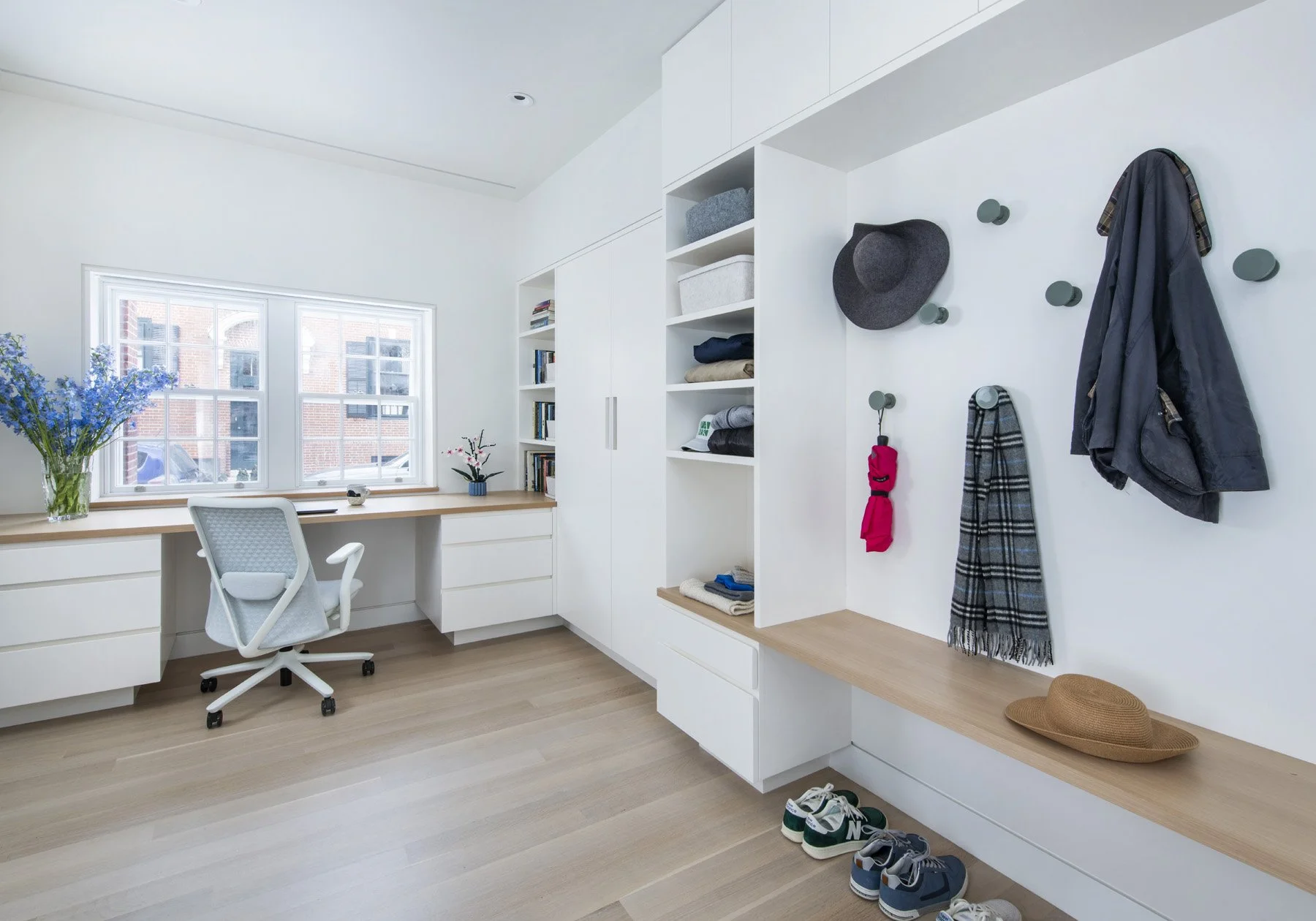
Historic masonry home with modern interior renovation; open-concept living; lift/slide doors for seamless indoor–outdoor connection; dedicated home office; family mudroom with custom storage; EV charging
Energy, Carbon and Health:
pEUI: 27.7kBtu/sf/yr
Air Leakage: 1.25 ACH50
Deep energy retrofit, masonry renovation, cellulose insulation, triple pane windows with simulated divided lites, storm windows, continuous air barrier, air source heat pump, energy recovery ventilator (ERV), heat pump hot water heater, all-electric house
Project Team:
Architecture & Mechanical Design: ZED
Contractor: Thoughtforms
Interior Design: Sashya Thind
Landscape Architecture: Inge Daniels Design
Masonry Consultant: Building Energy Technologies
Photographer: Nat Rea Photography
-
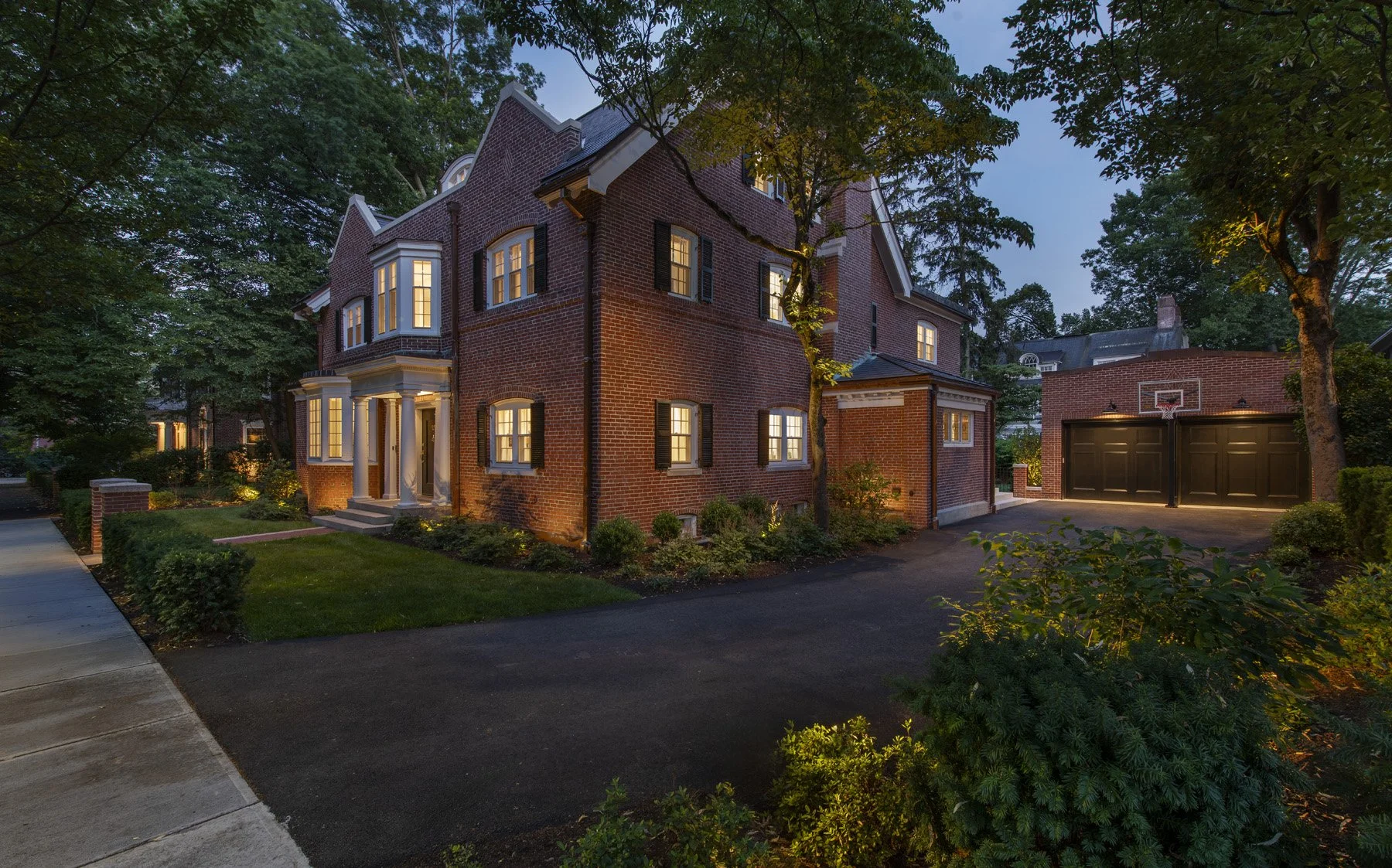
HISTORY. Located in Brookline’s Cottage Farm Local Historic District, the original home is a 1912 Georgian Revival residence designed by architect Frank A. Bourne, a graduate of the MIT School of Architecture and author of A Study of the Orders of Architecture (1906). Built for a coal merchant, the house’s origins present a striking contrast to its fossil-fuel-free future. Constructed of brick masonry with limestone detailing, copper gutters, and a slate roof, the home exemplifies the craftsmanship and permanence characteristic of its era. As part of a neighborhood protected for its architectural integrity, the project preserved the exterior to honor the home’s enduring role in the historic streetscape. Over time, a series of additions altered its composition, and decades of weathering and deferred maintenance compromised the enclosure, necessitating a comprehensive reconstruction that renewed both the building and its contribution to its distinct neighborhood.
OUTLOOK. The project set out to create a distinctly modern living environment for a modern family within the preserved shell of a historic home. Like the original owner, the current family has four children, and the design reimagines the residence to support contemporary family life while honoring its early 20th century character. For instance, the renovation restored the brick masonry to ensure the structure endures for another century, providing year-round thermal comfort that is fully decoupled from fossil fuels. Every design and construction choice was guided by a clear vision: preserve the home’s architectural legacy while elevating it with modern building science.
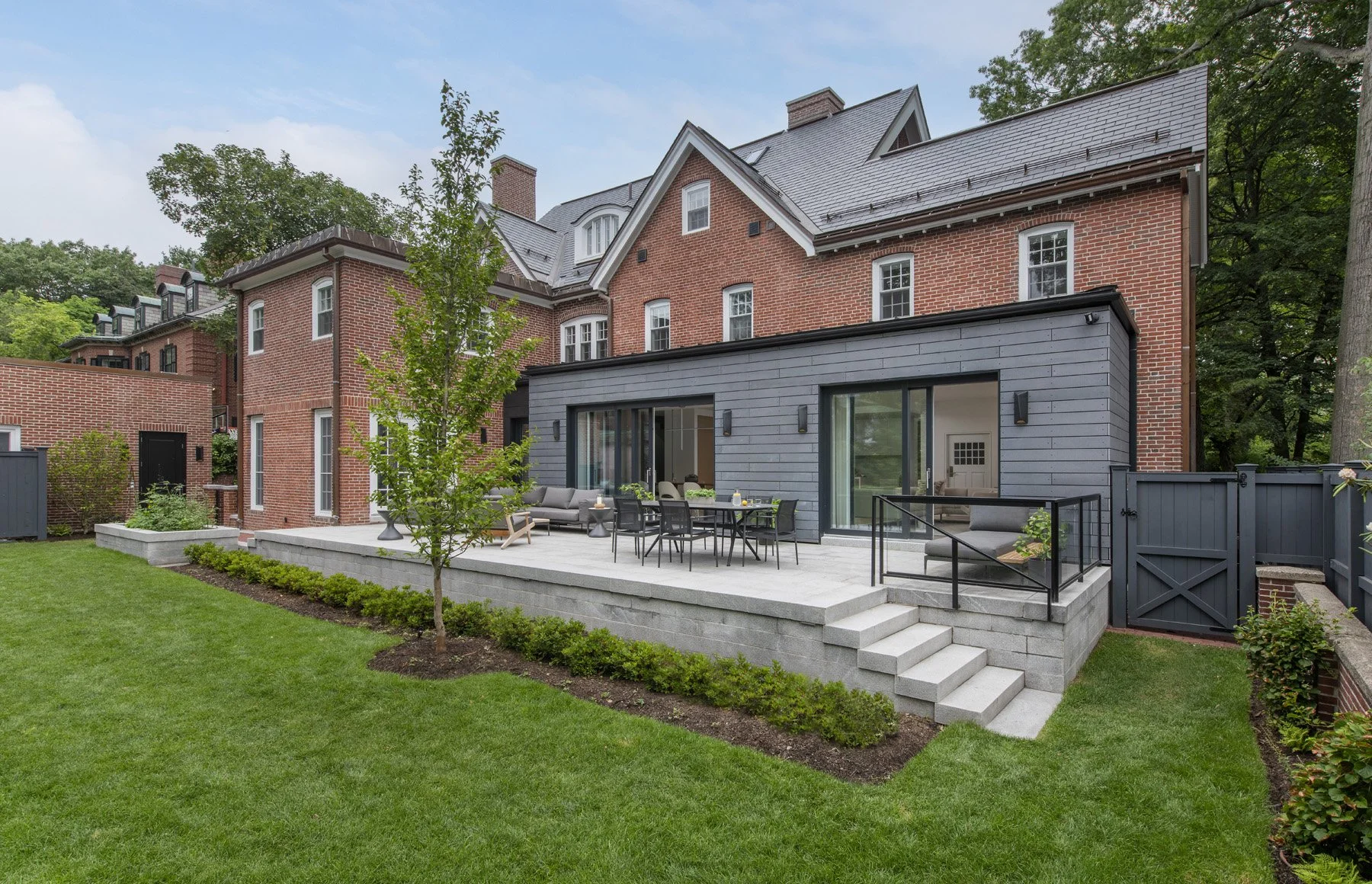
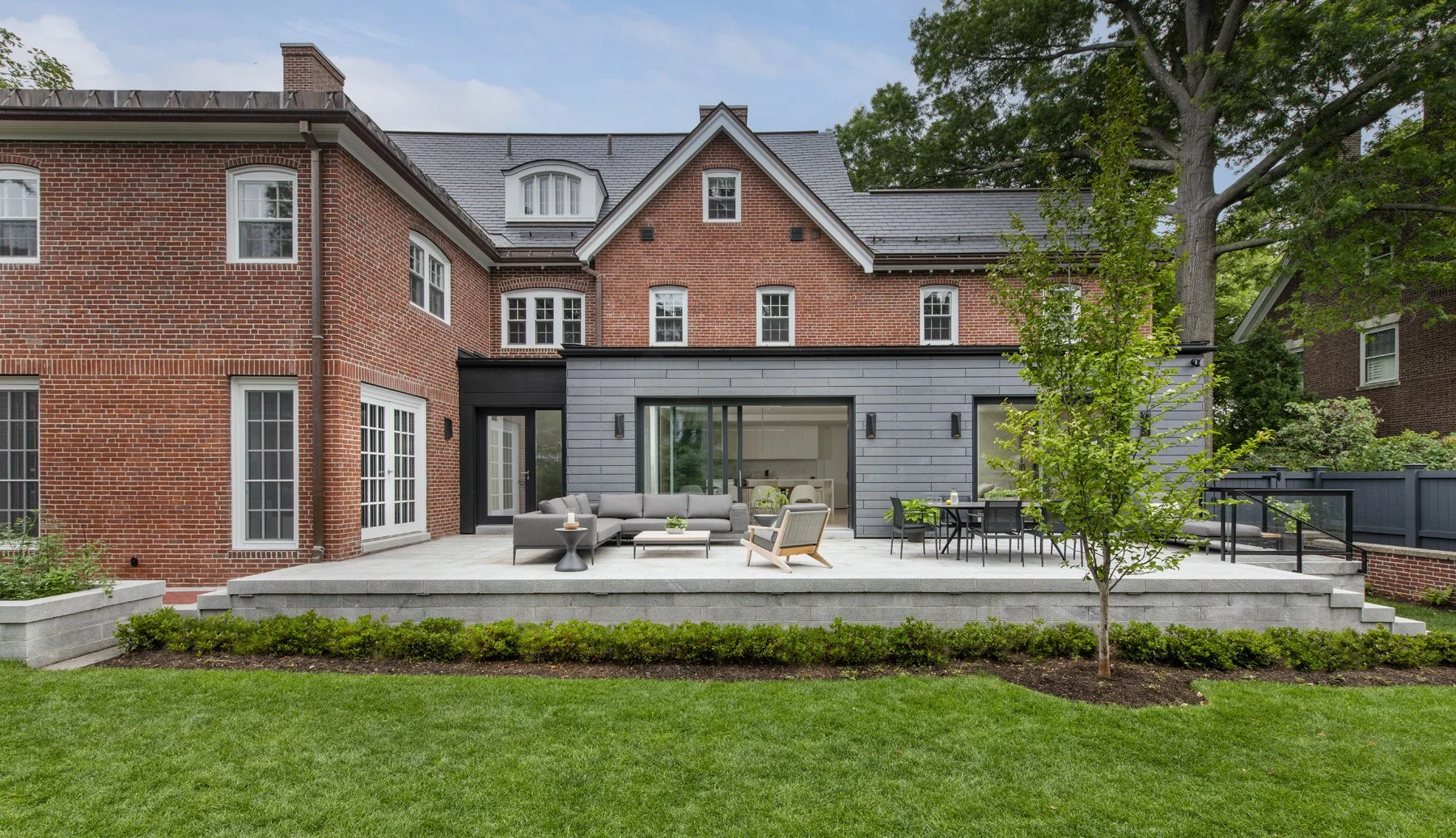
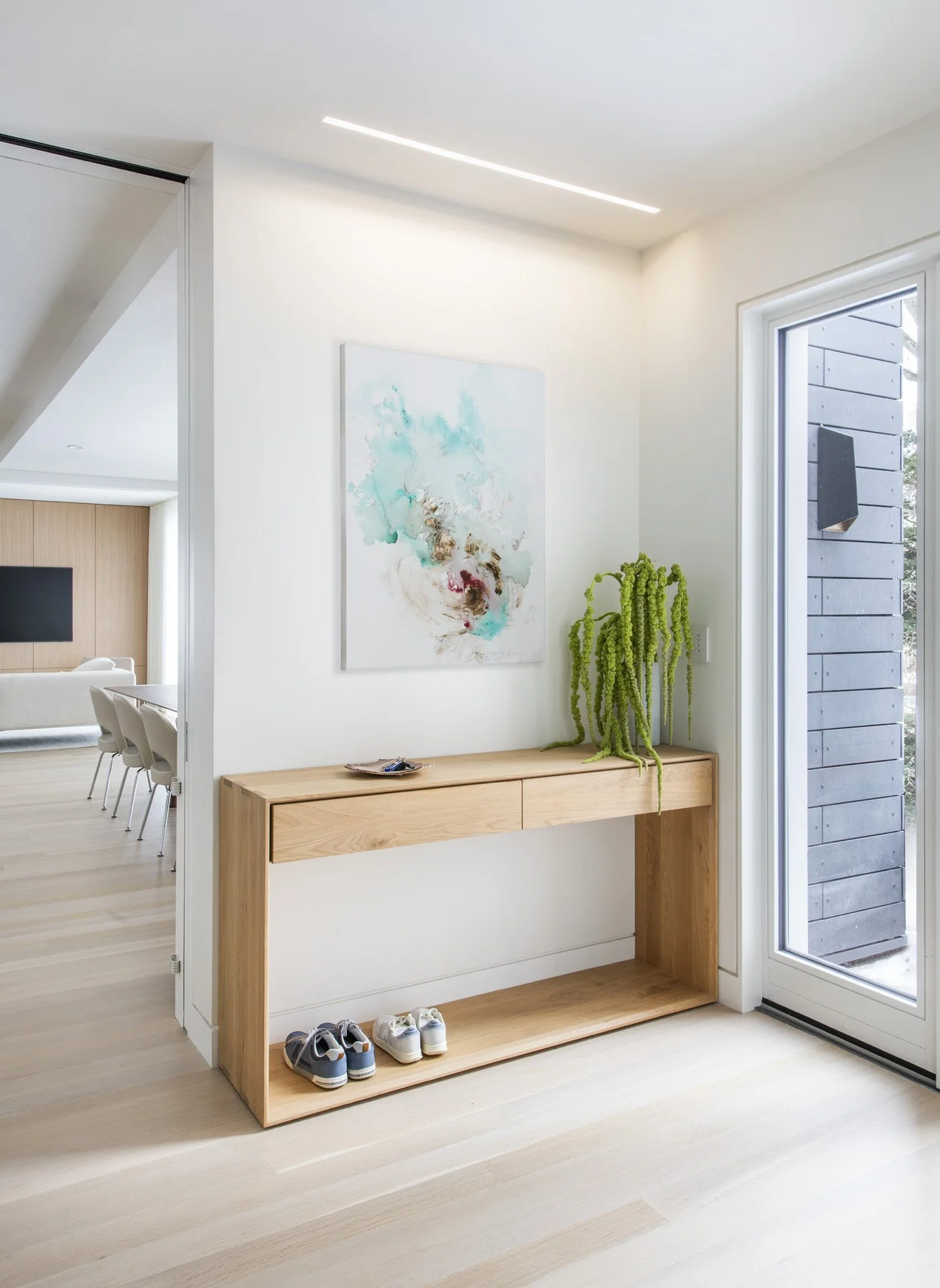
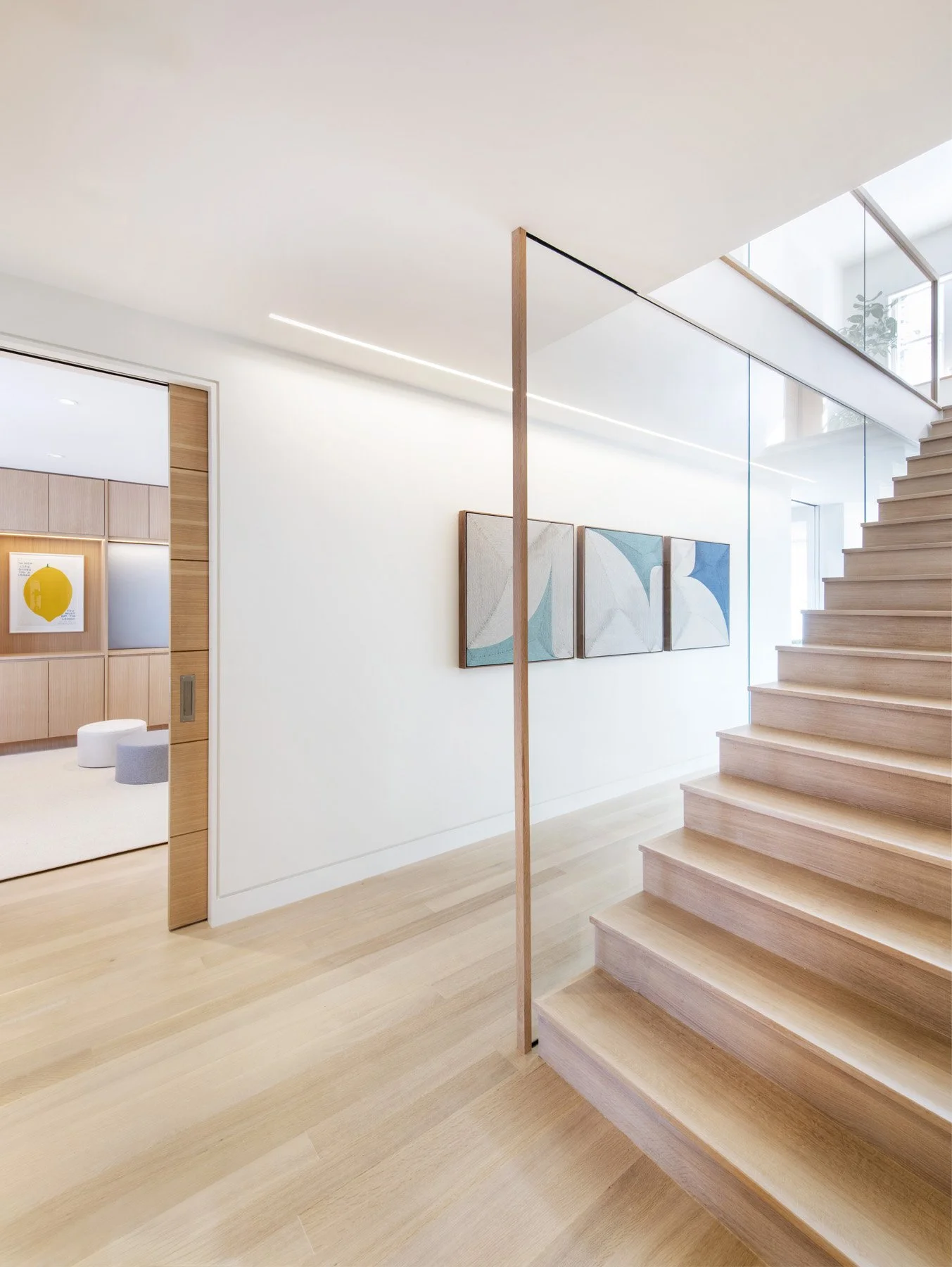
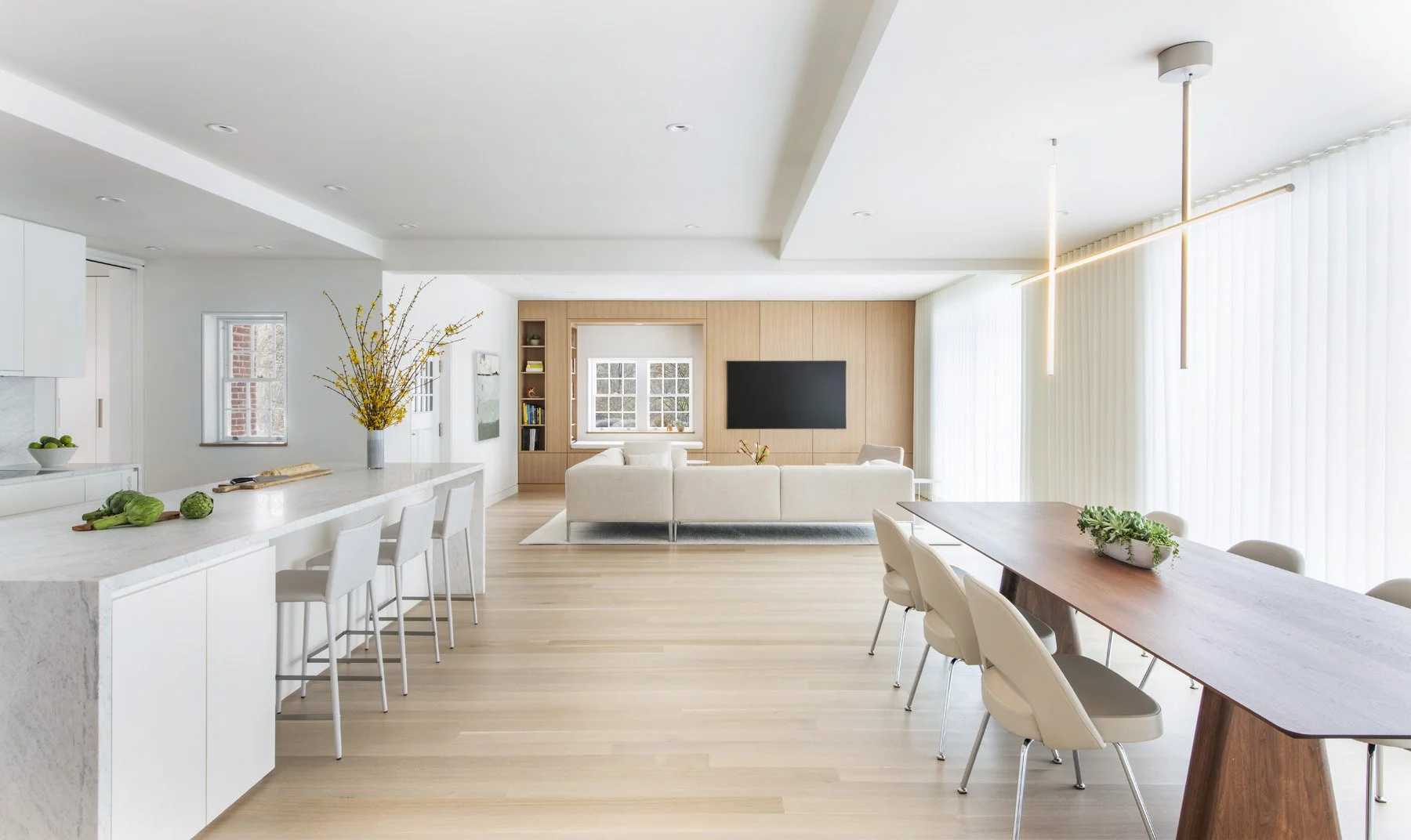
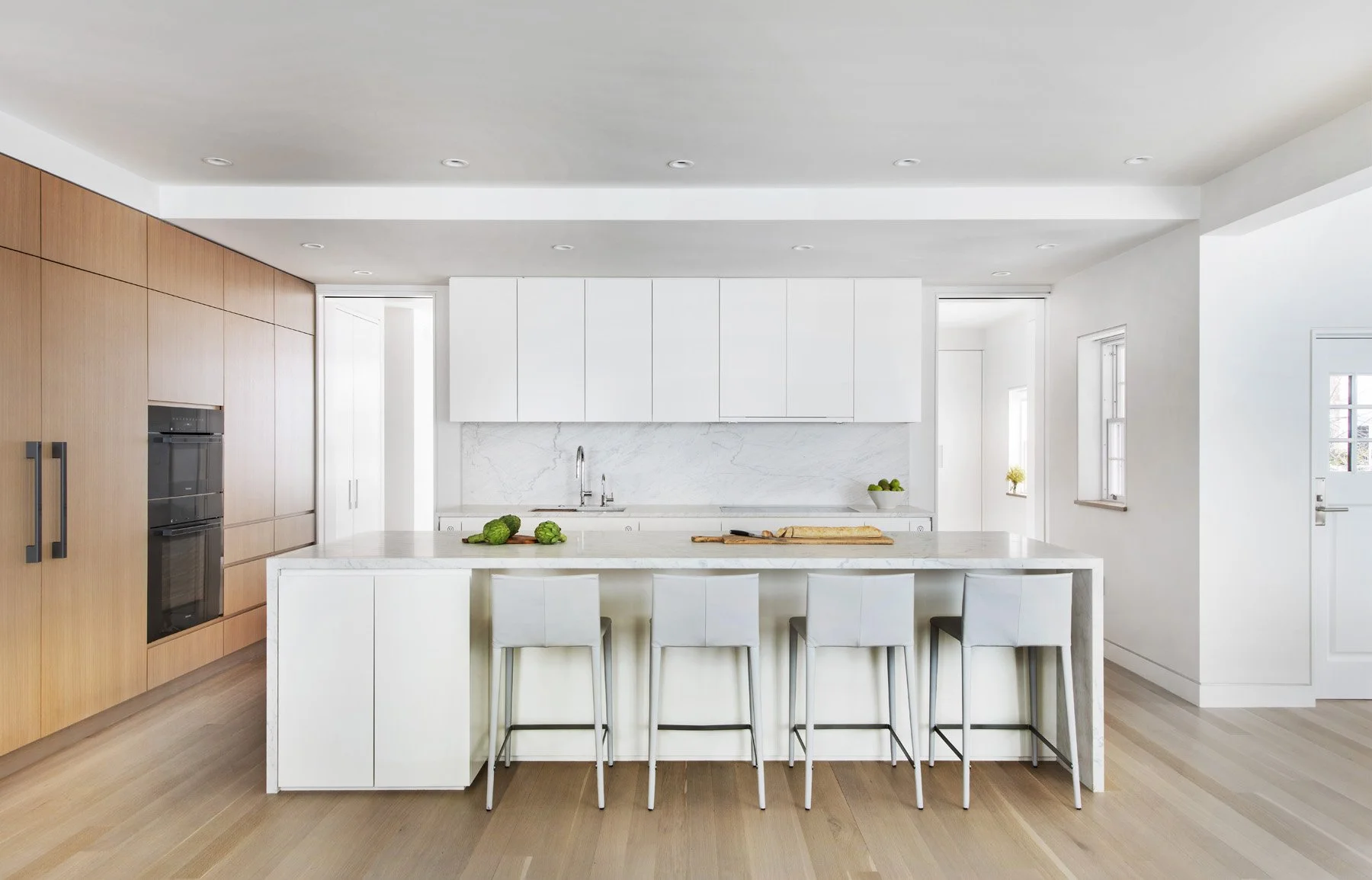
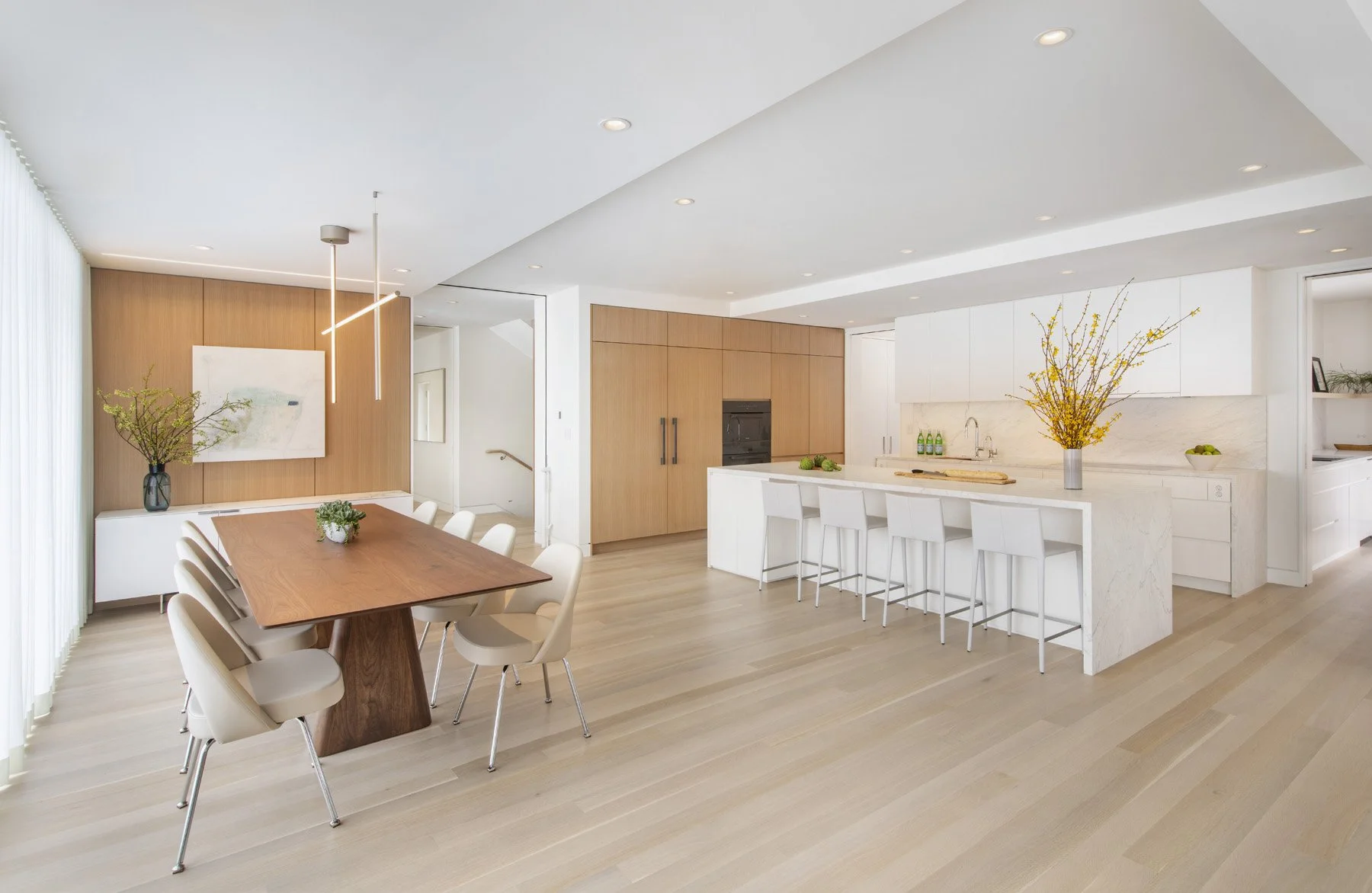
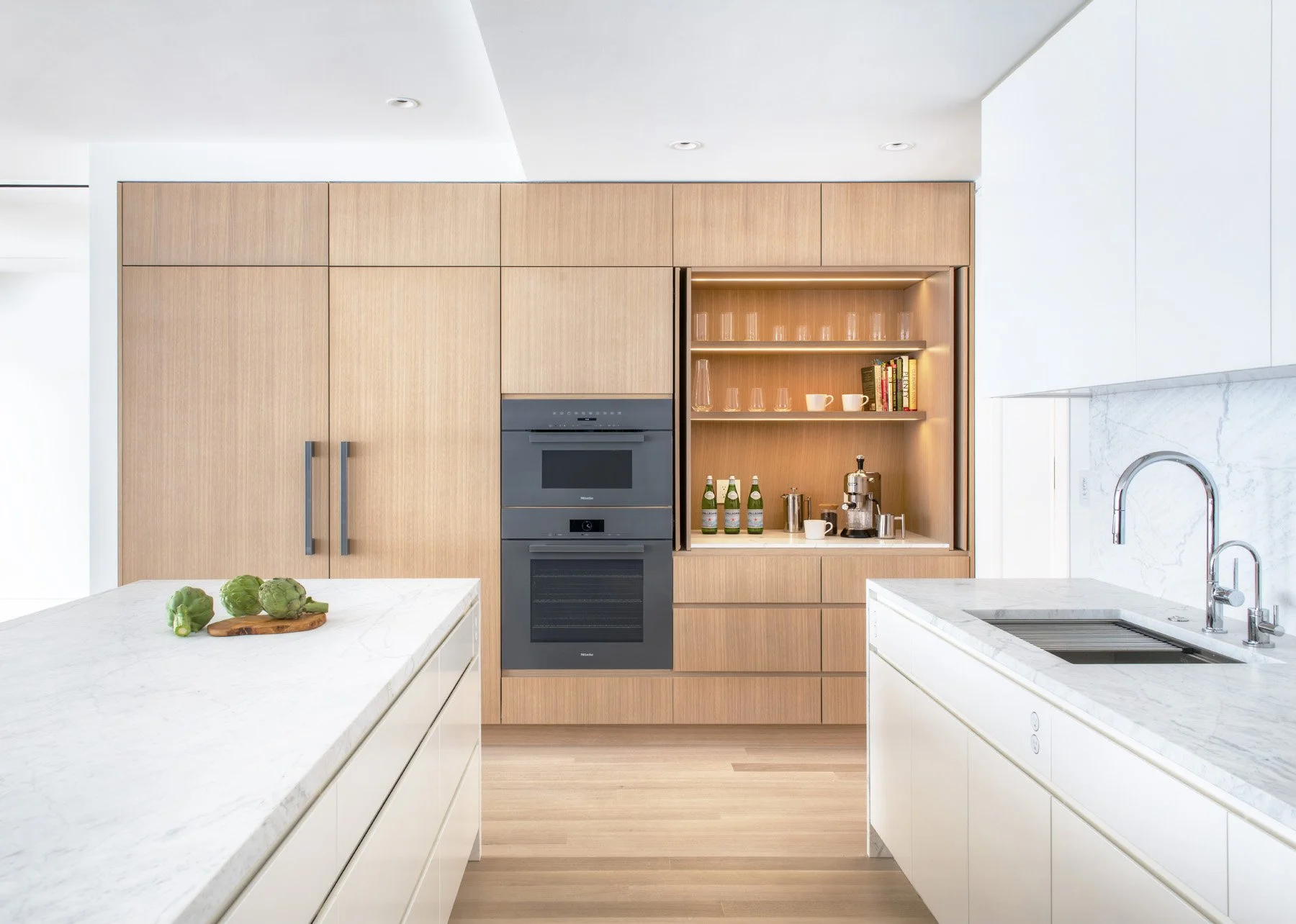
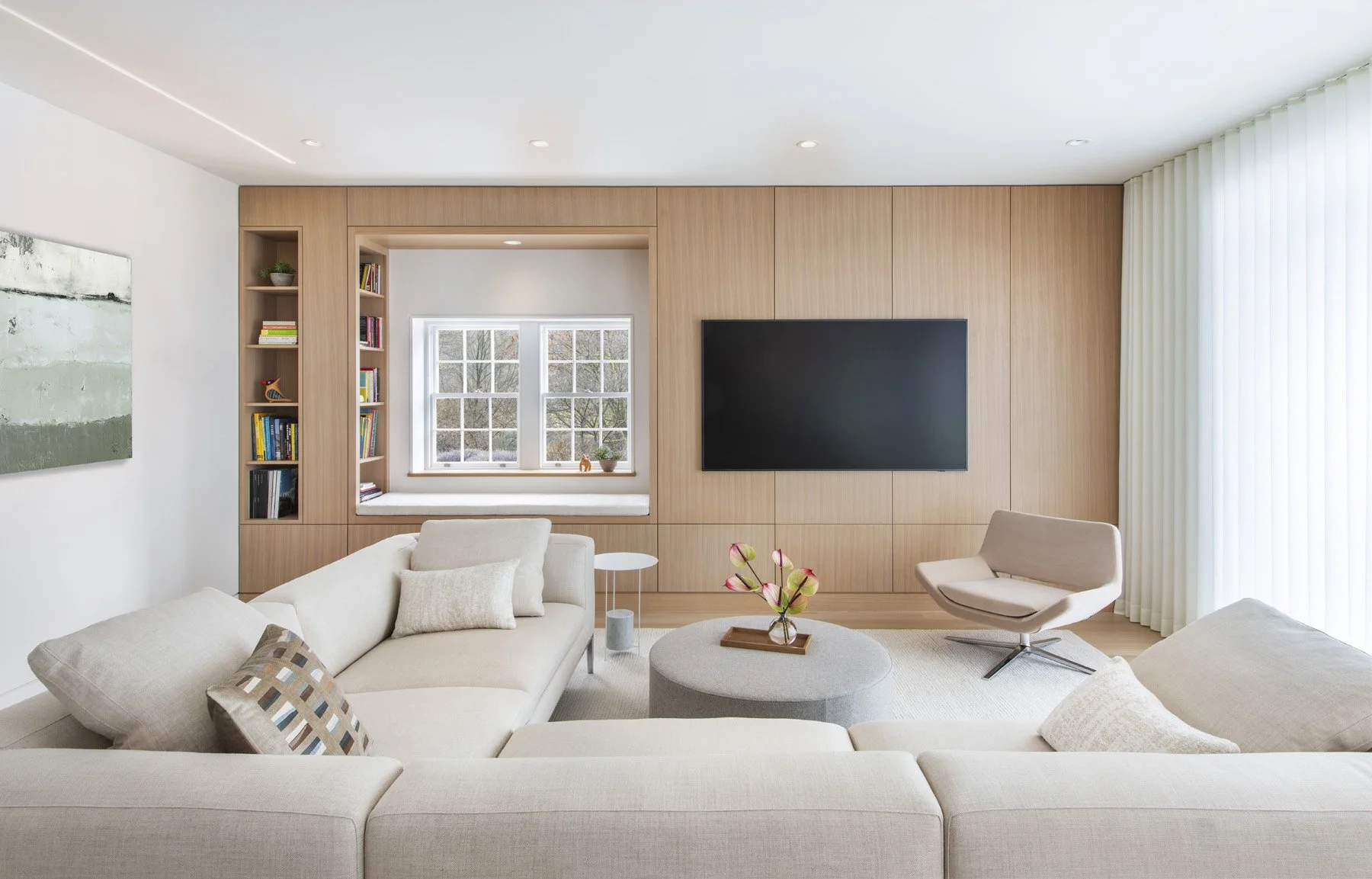
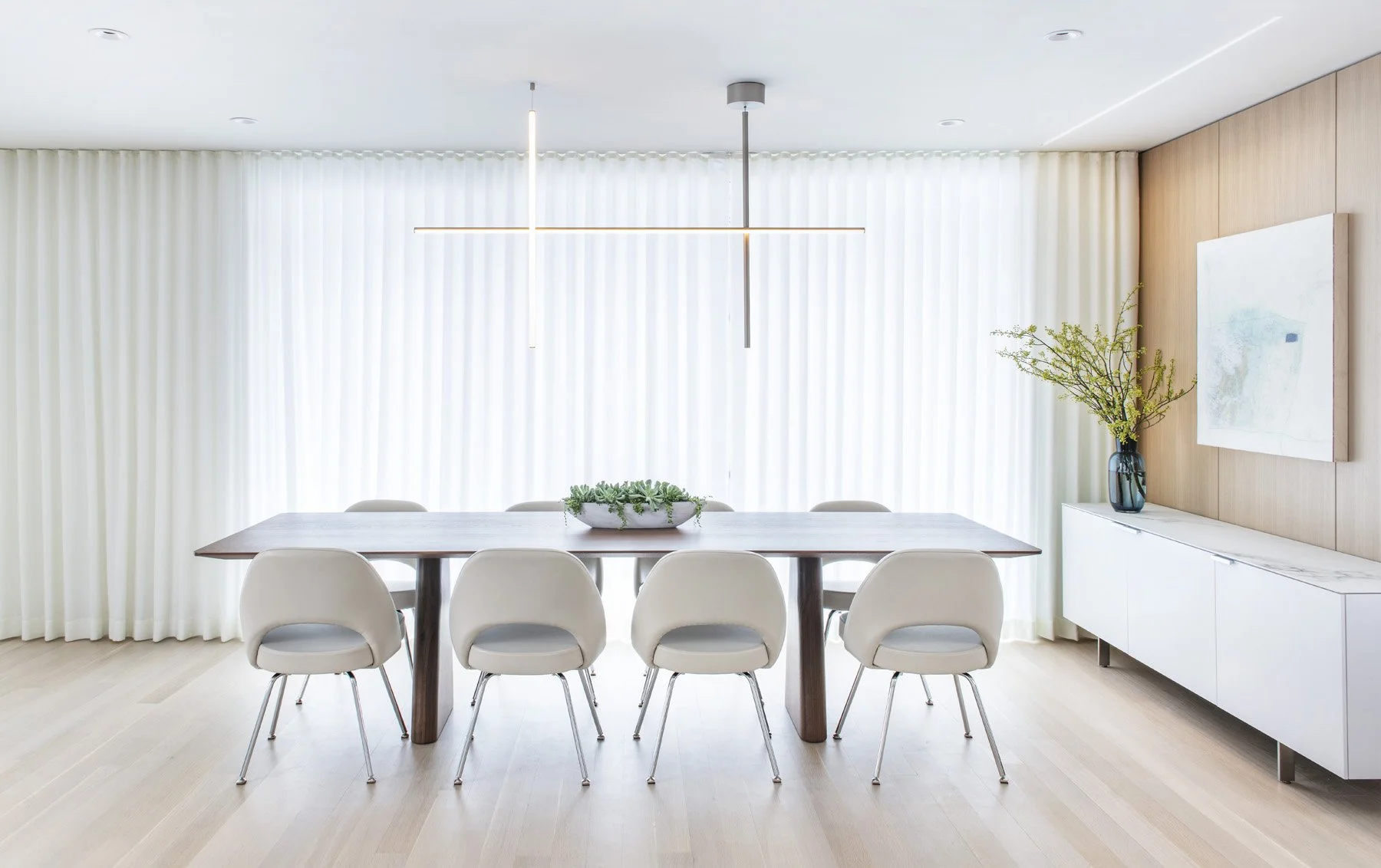
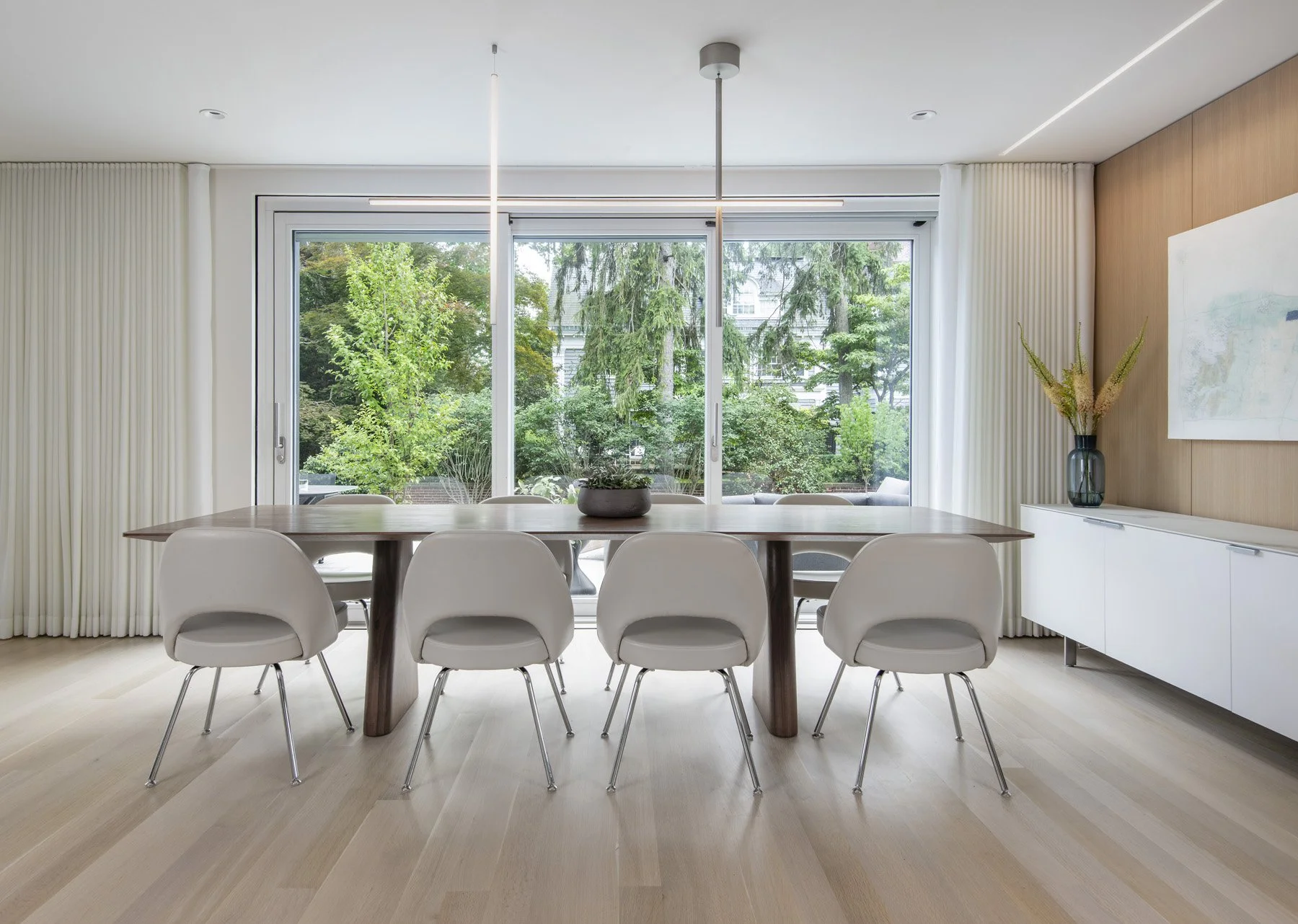
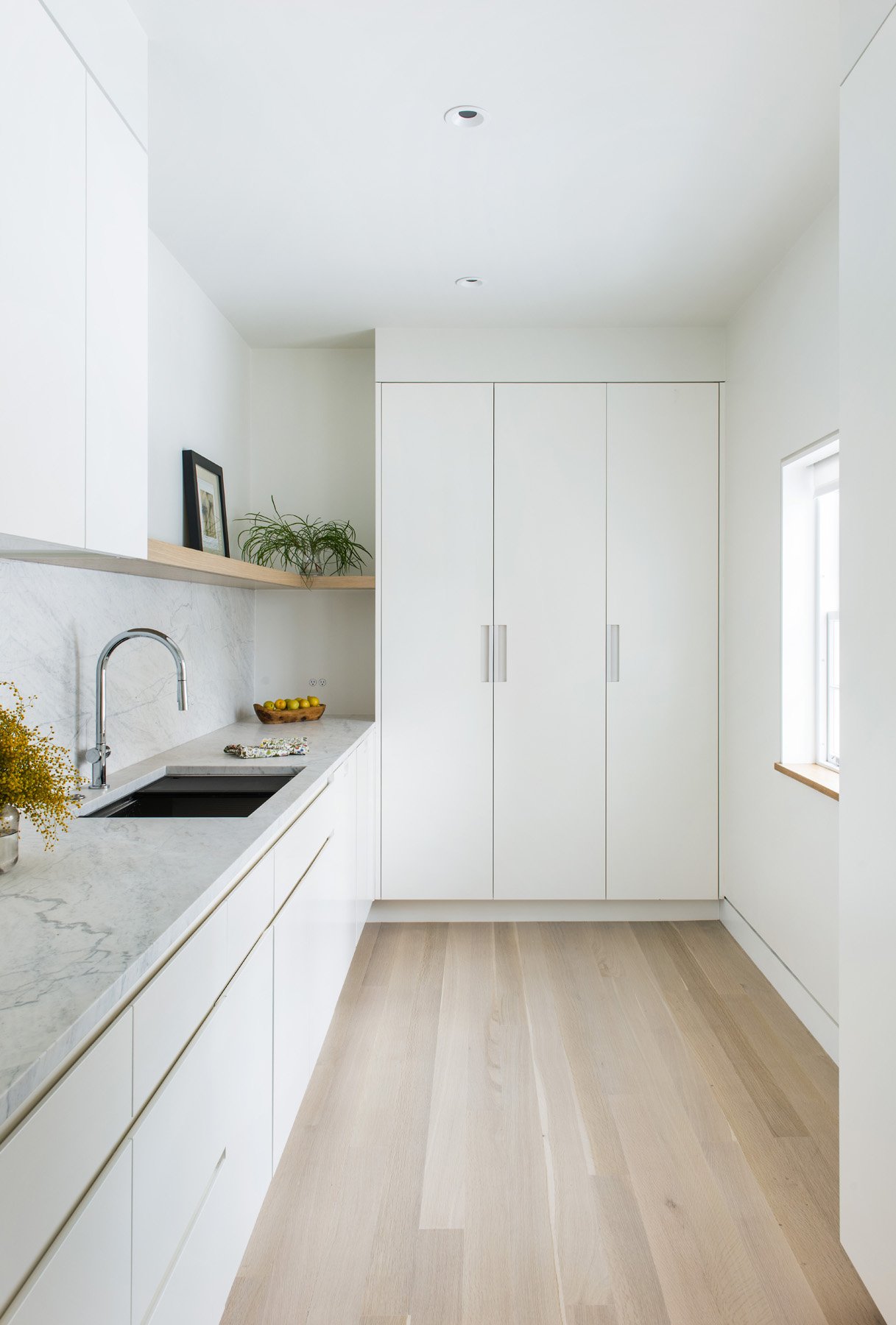
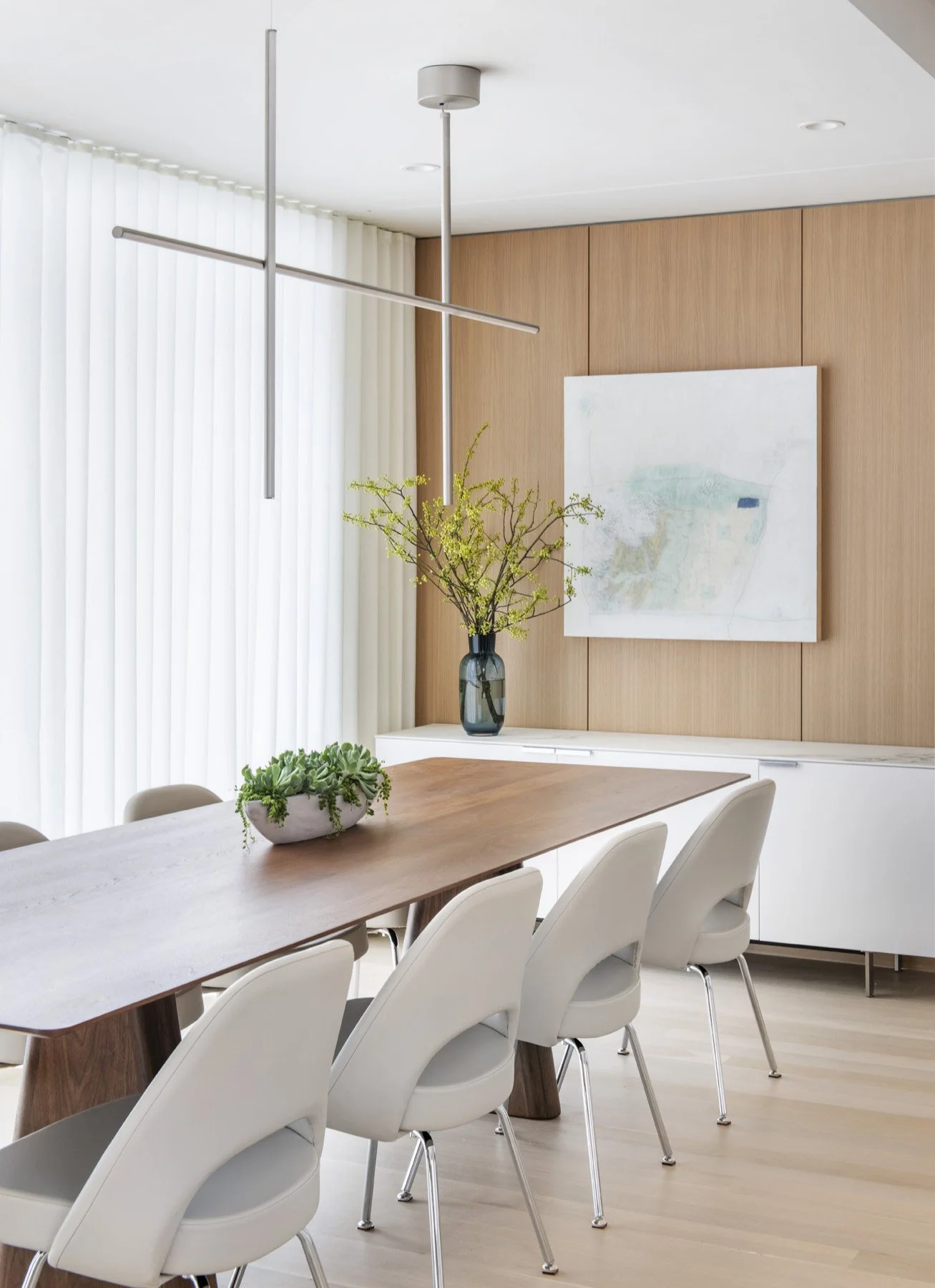
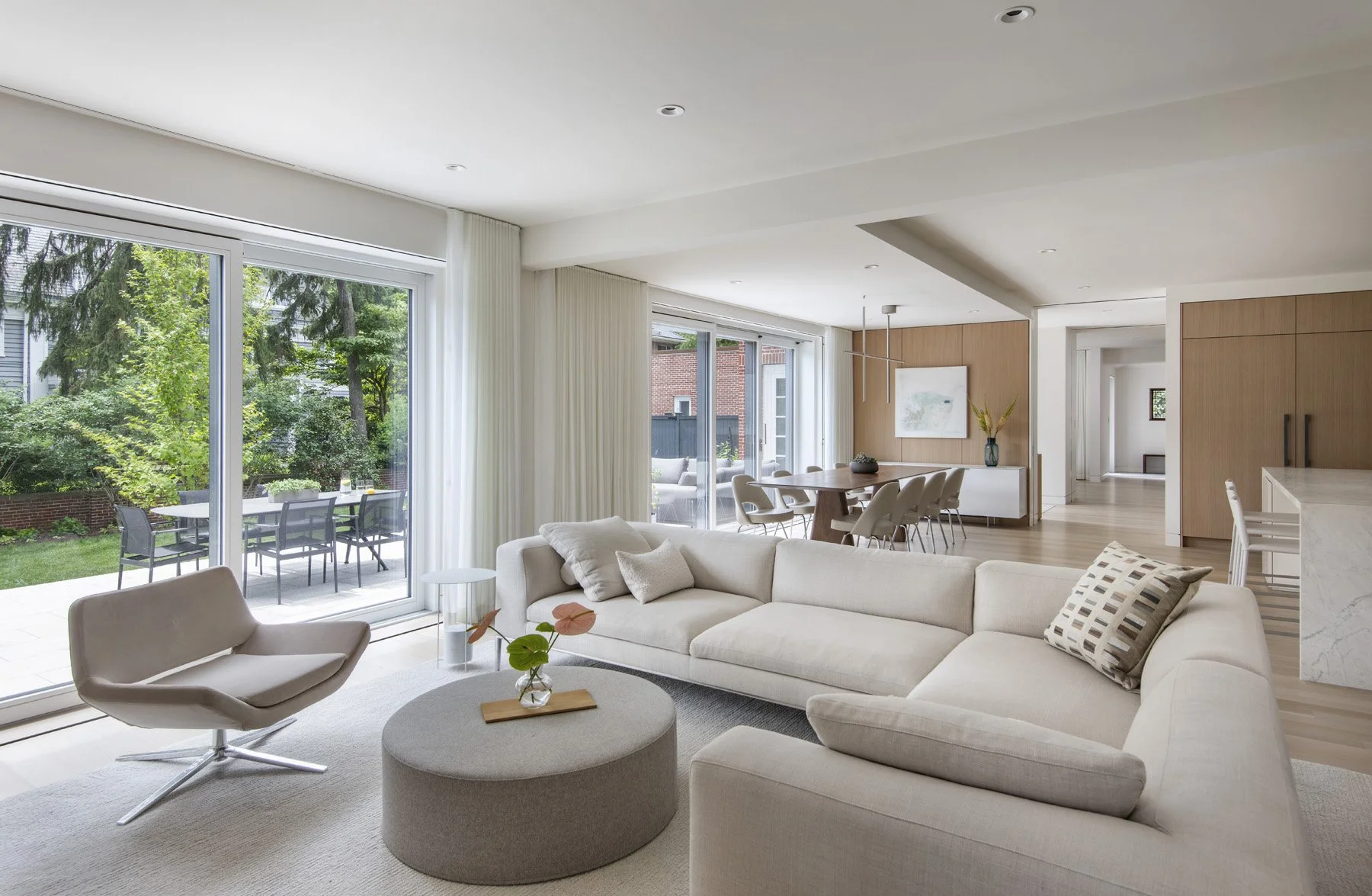
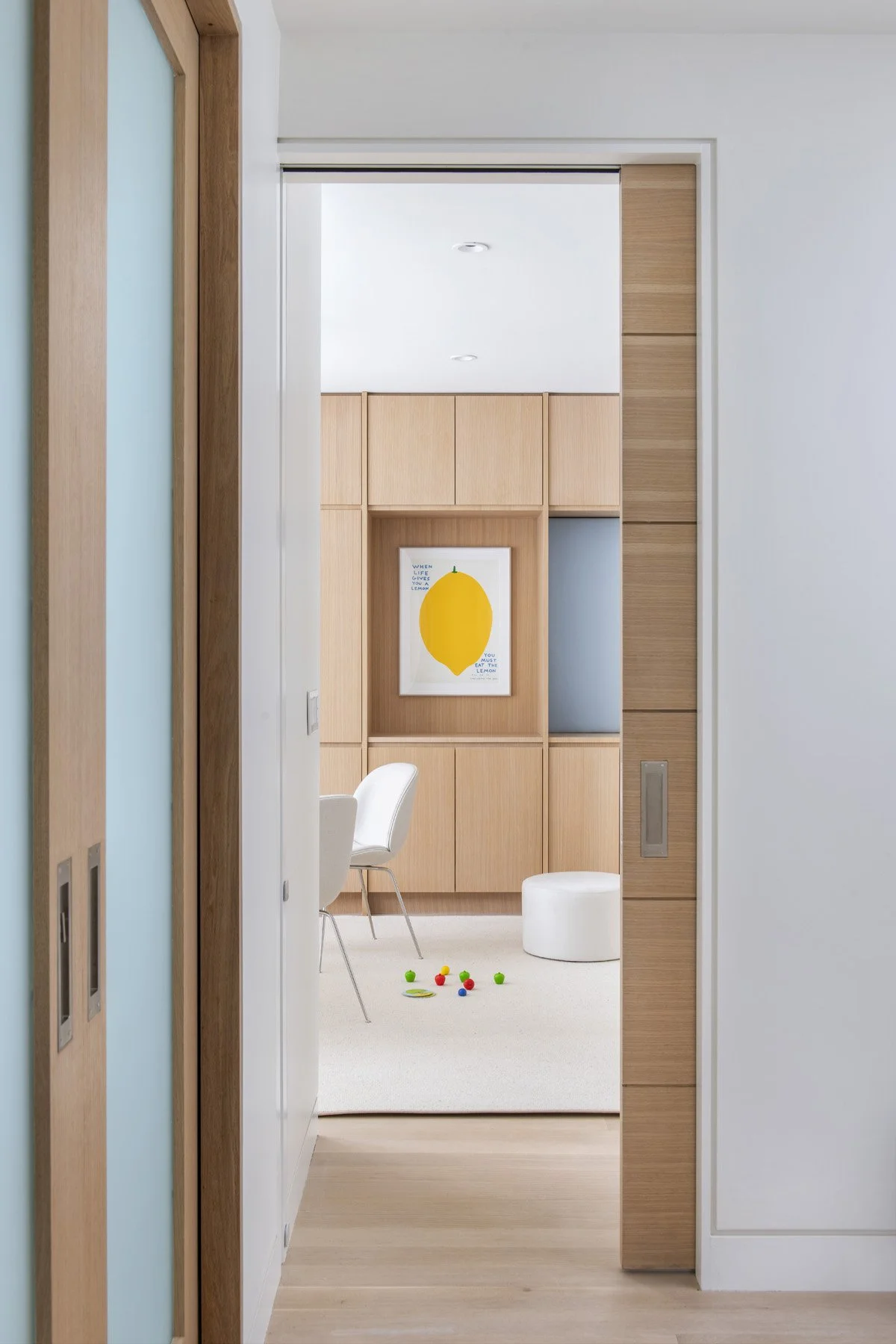
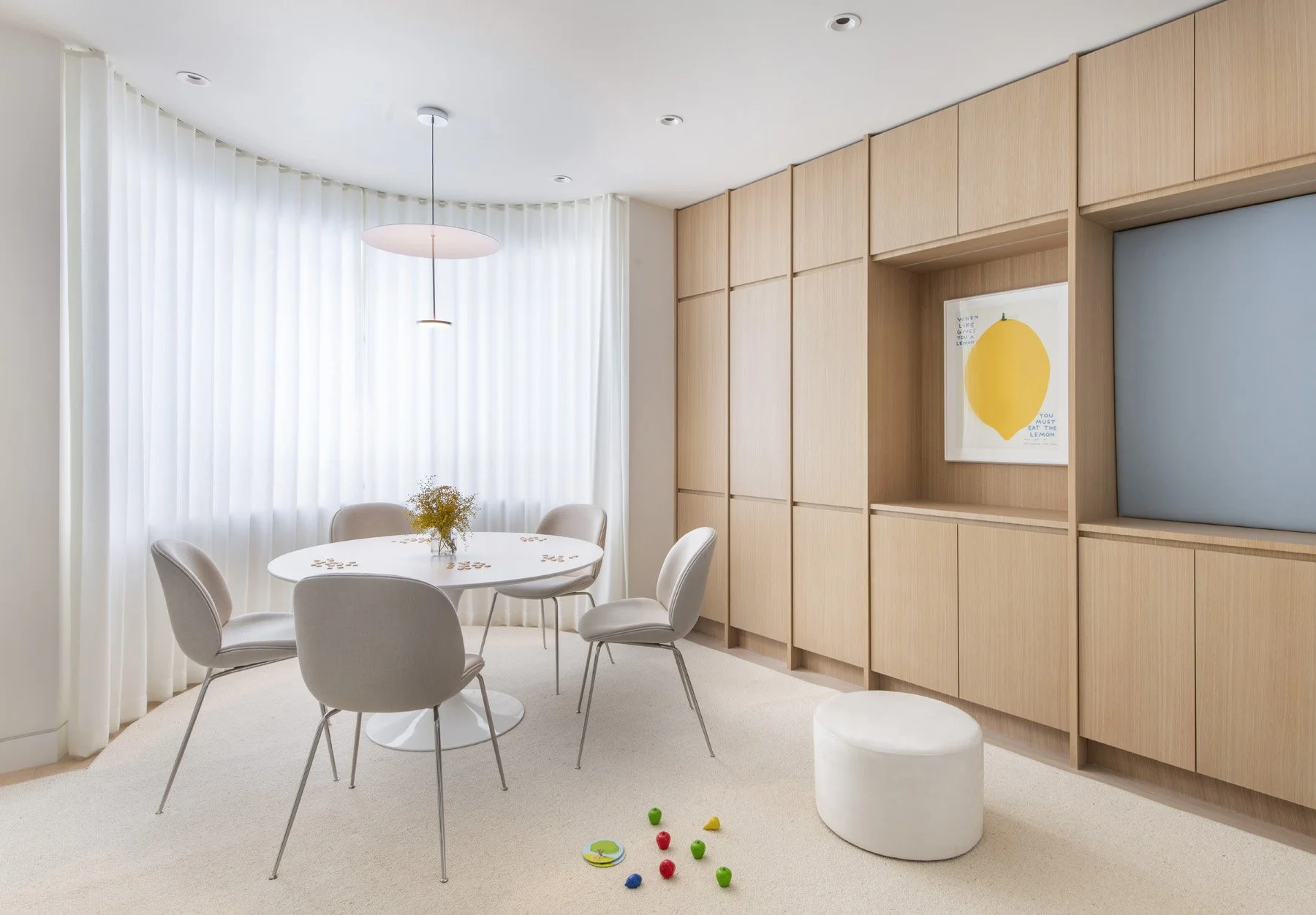
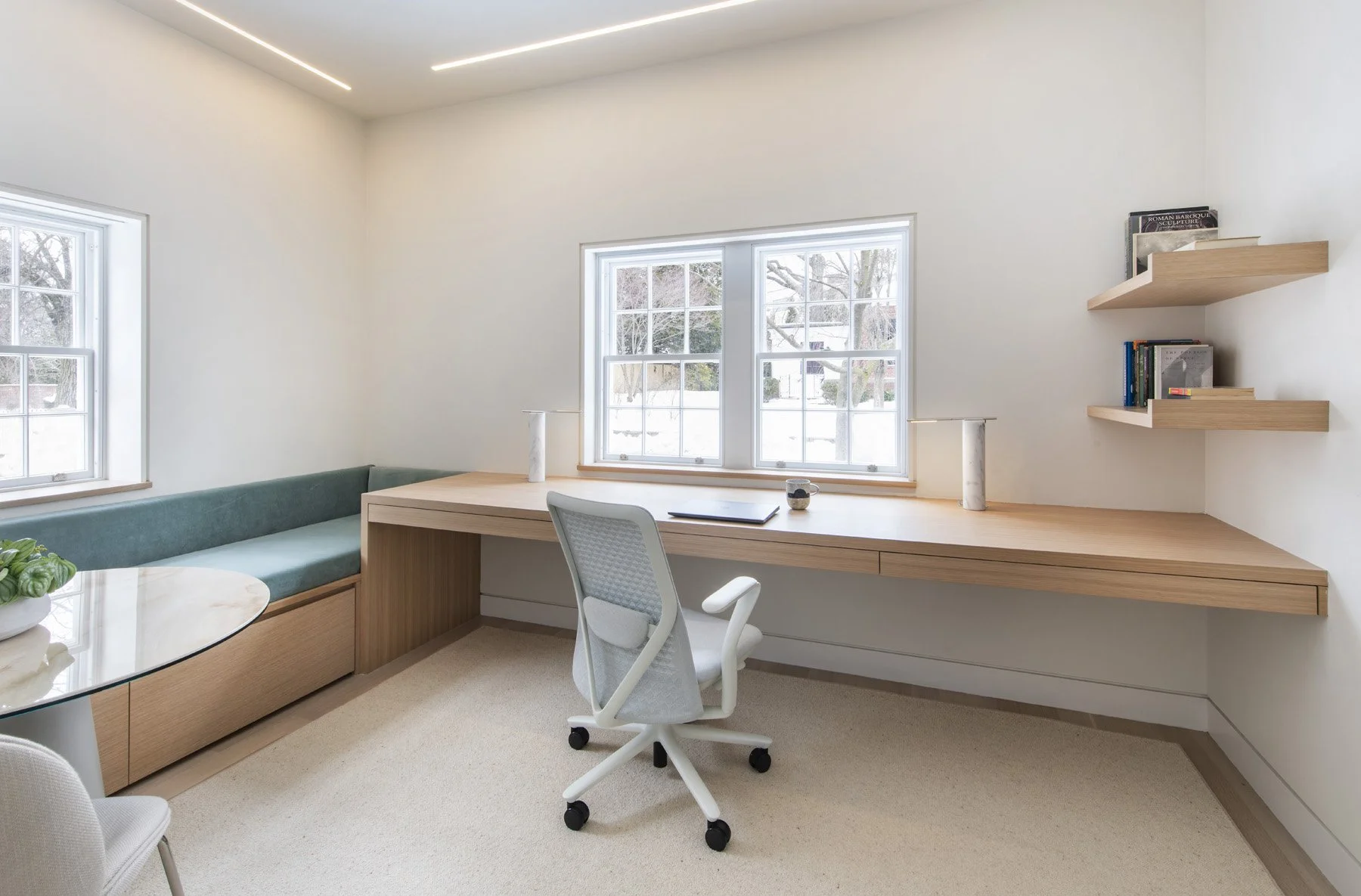
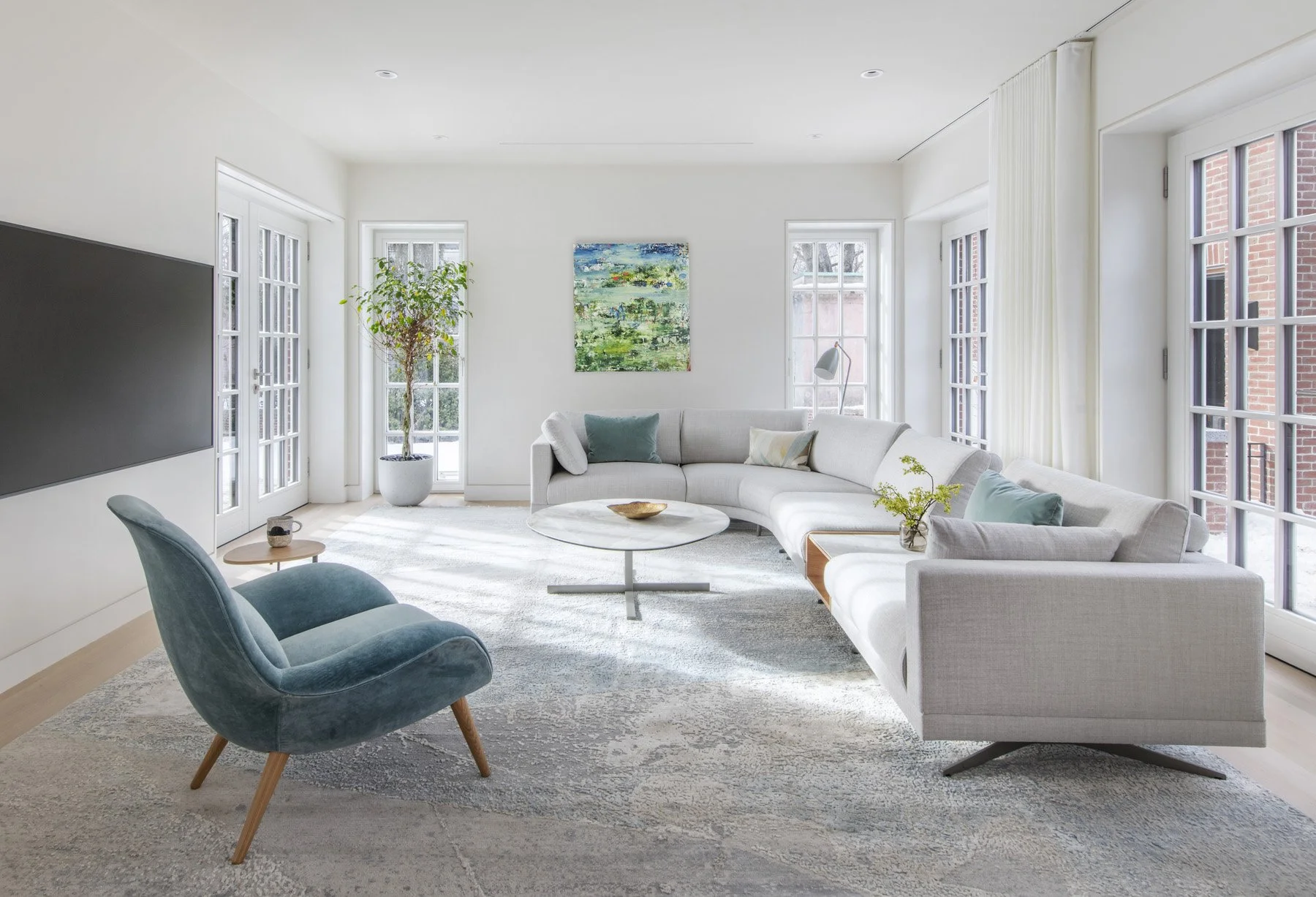
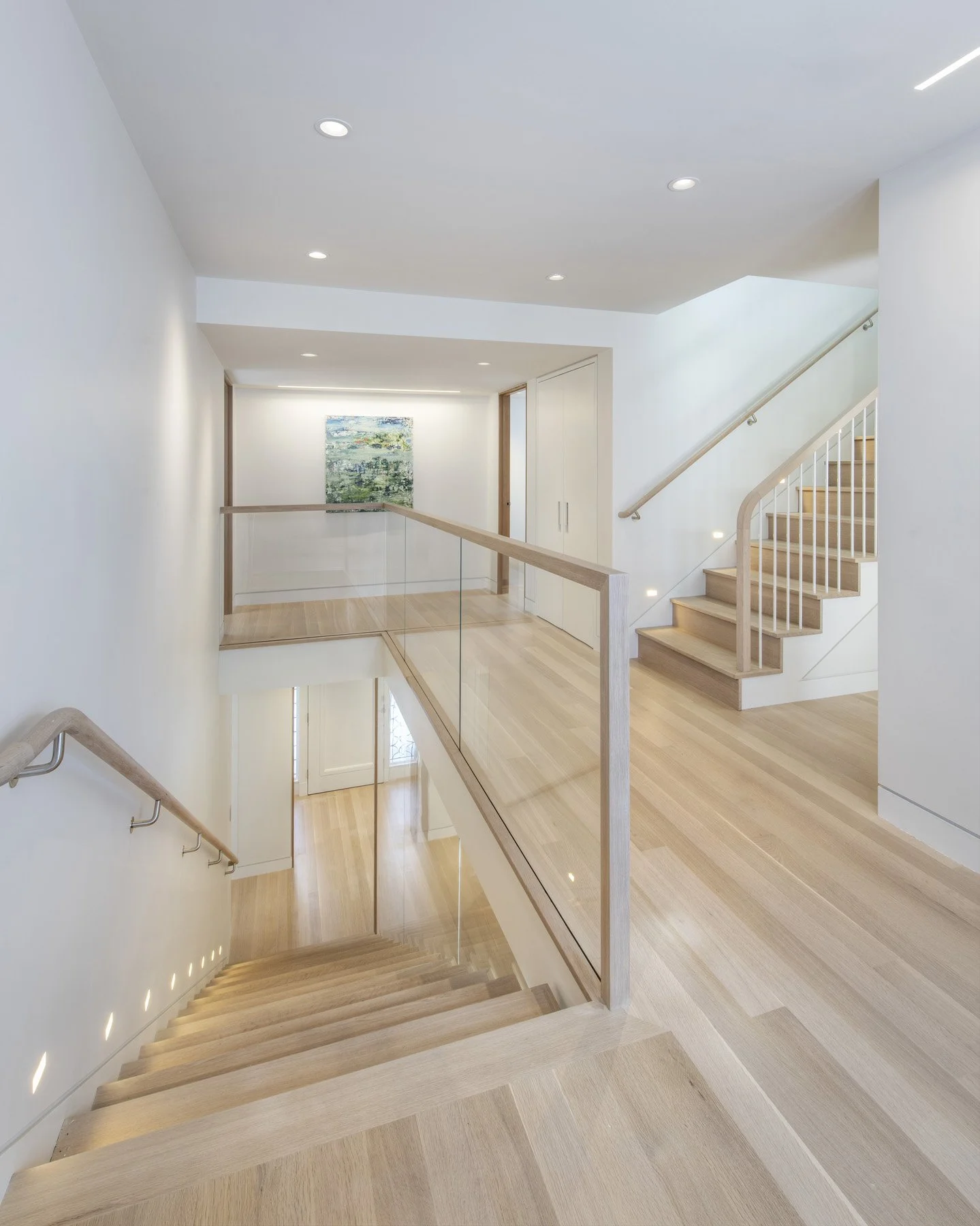
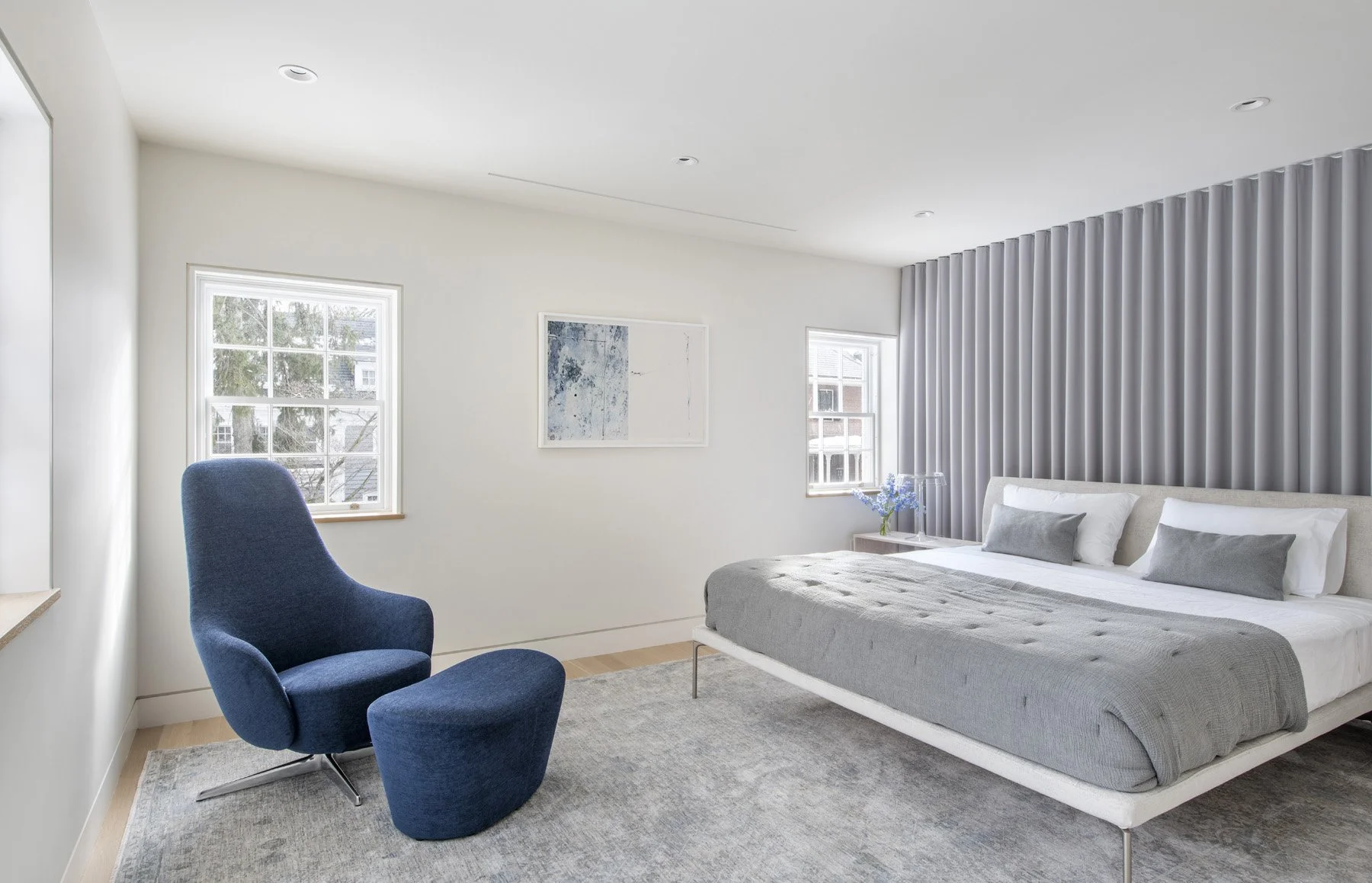
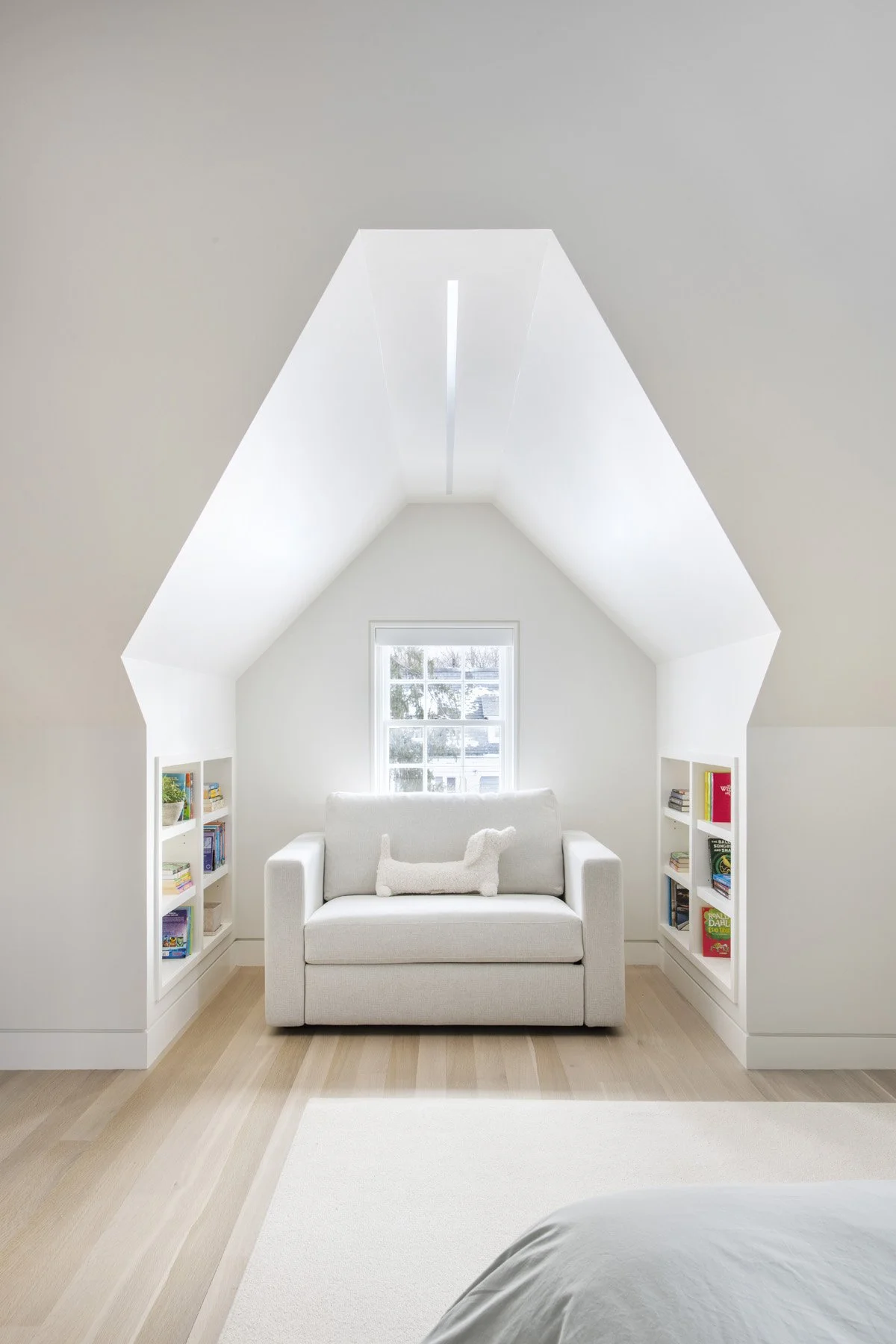
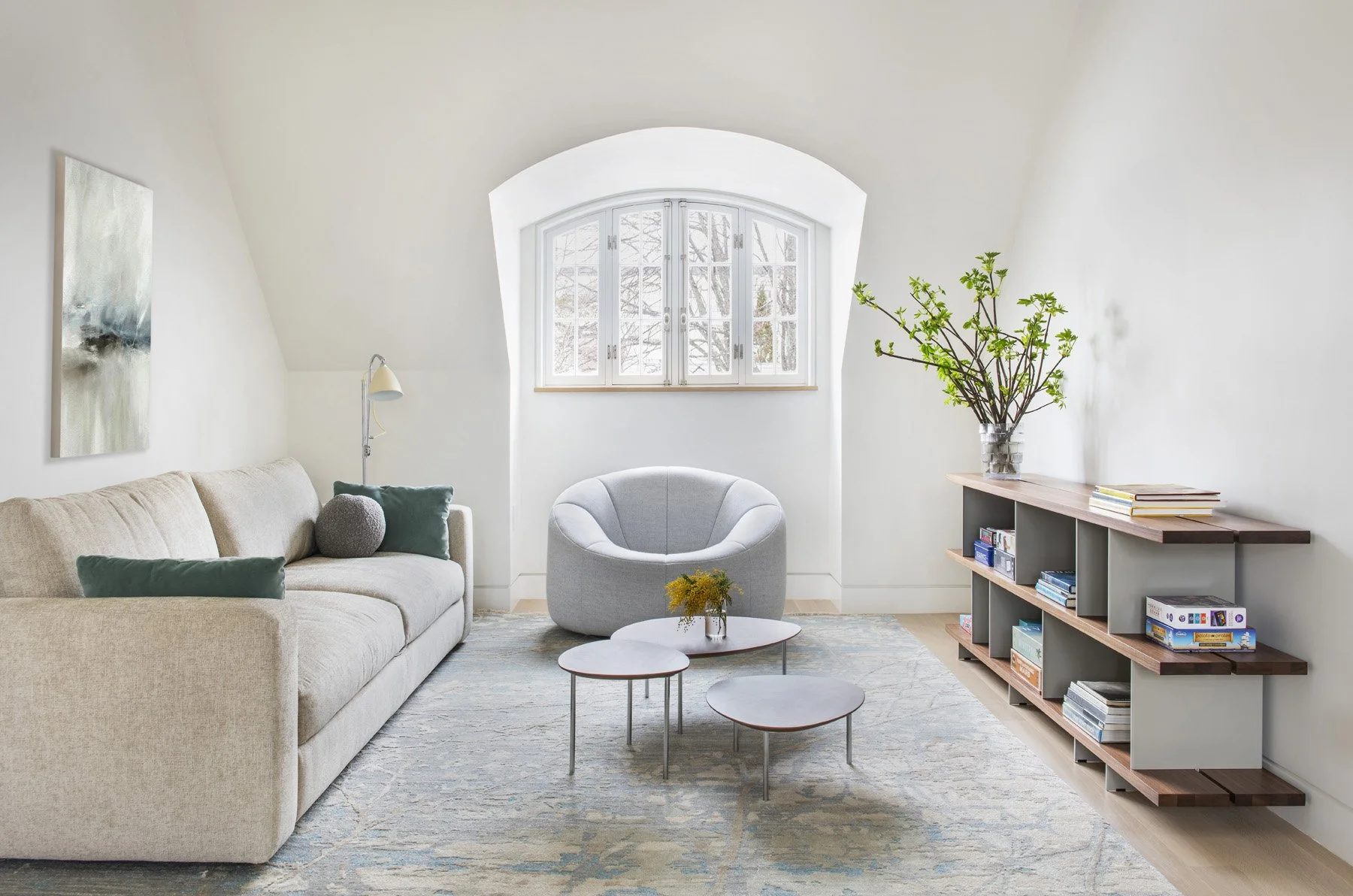
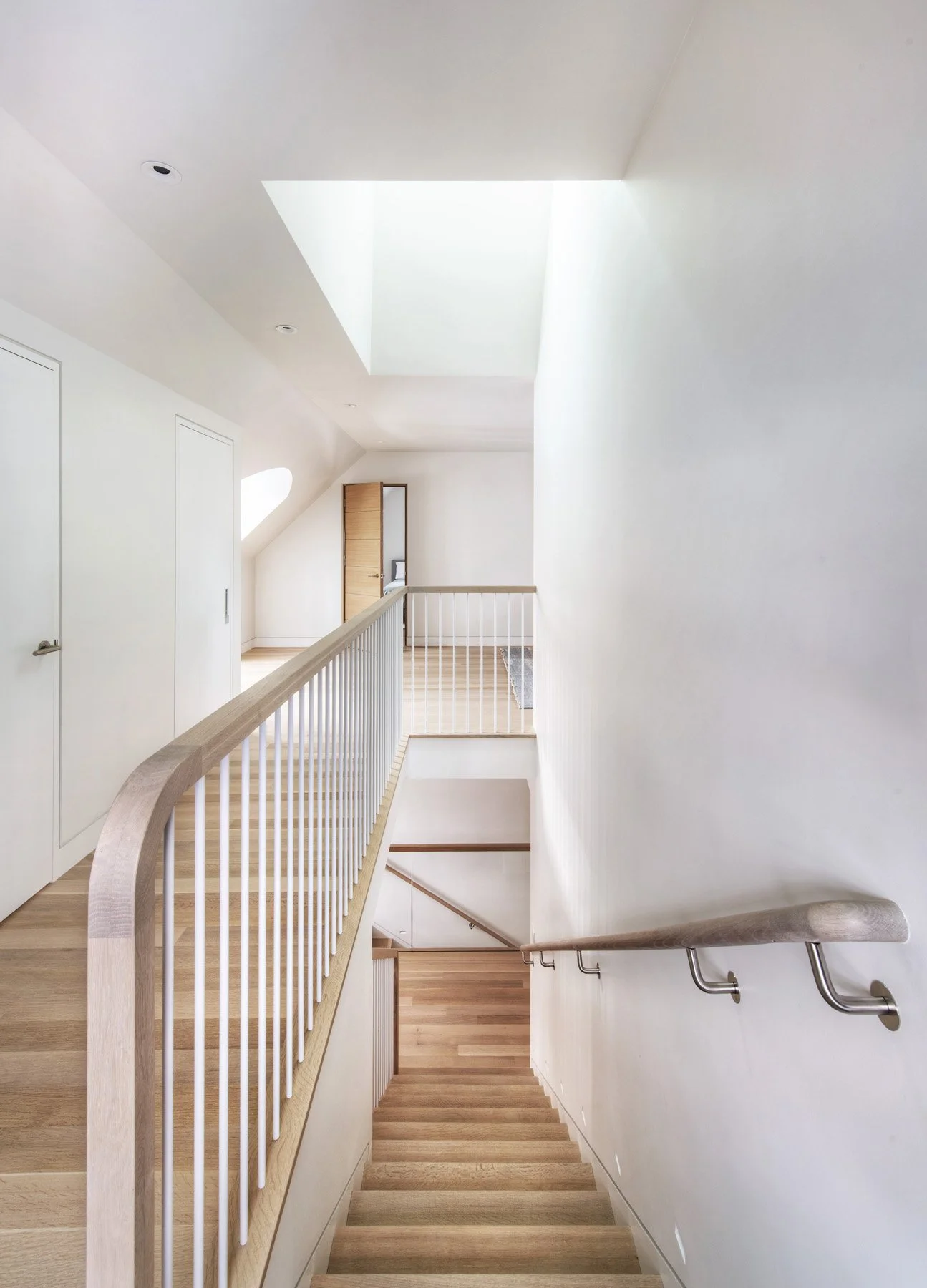
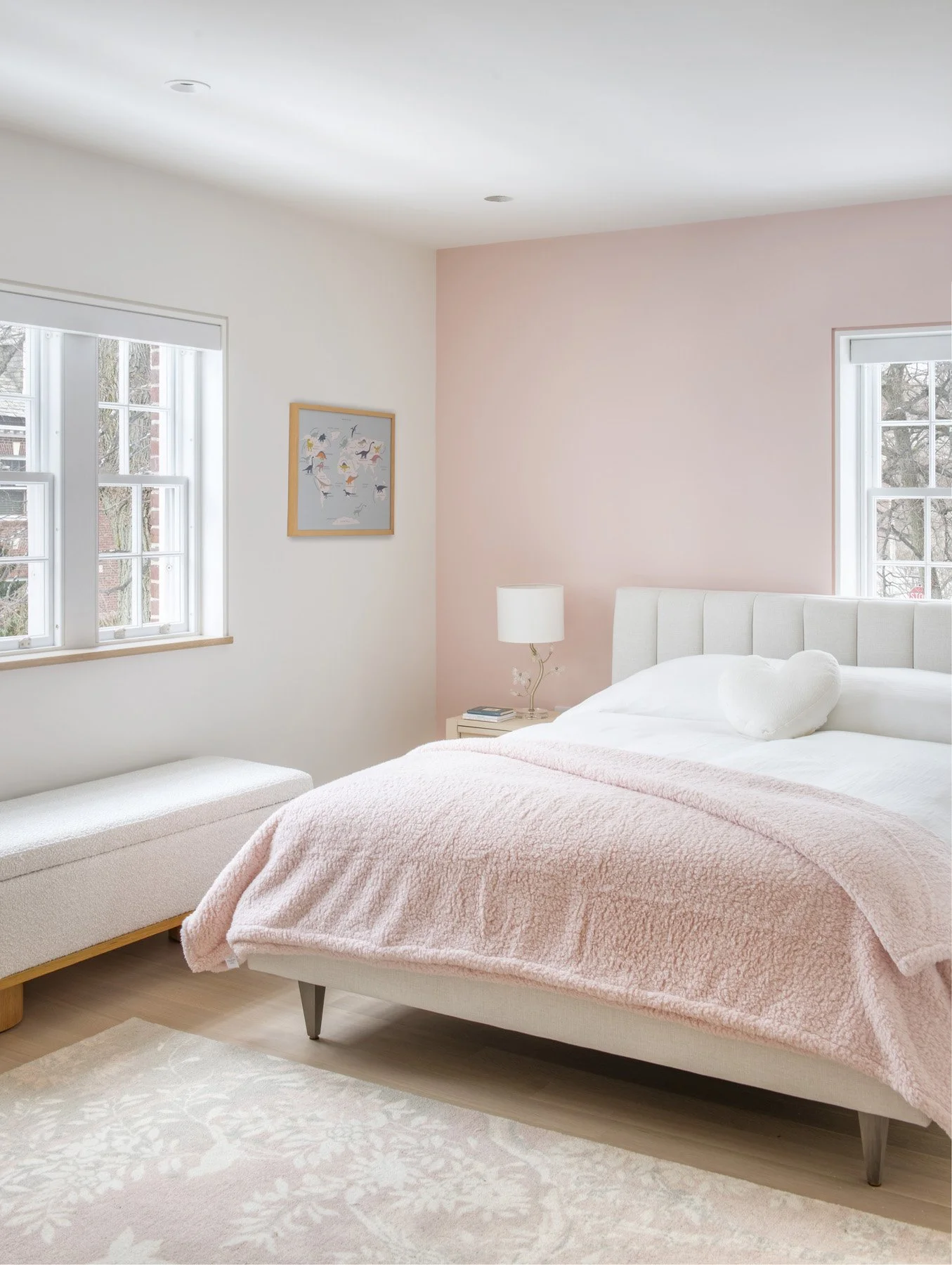
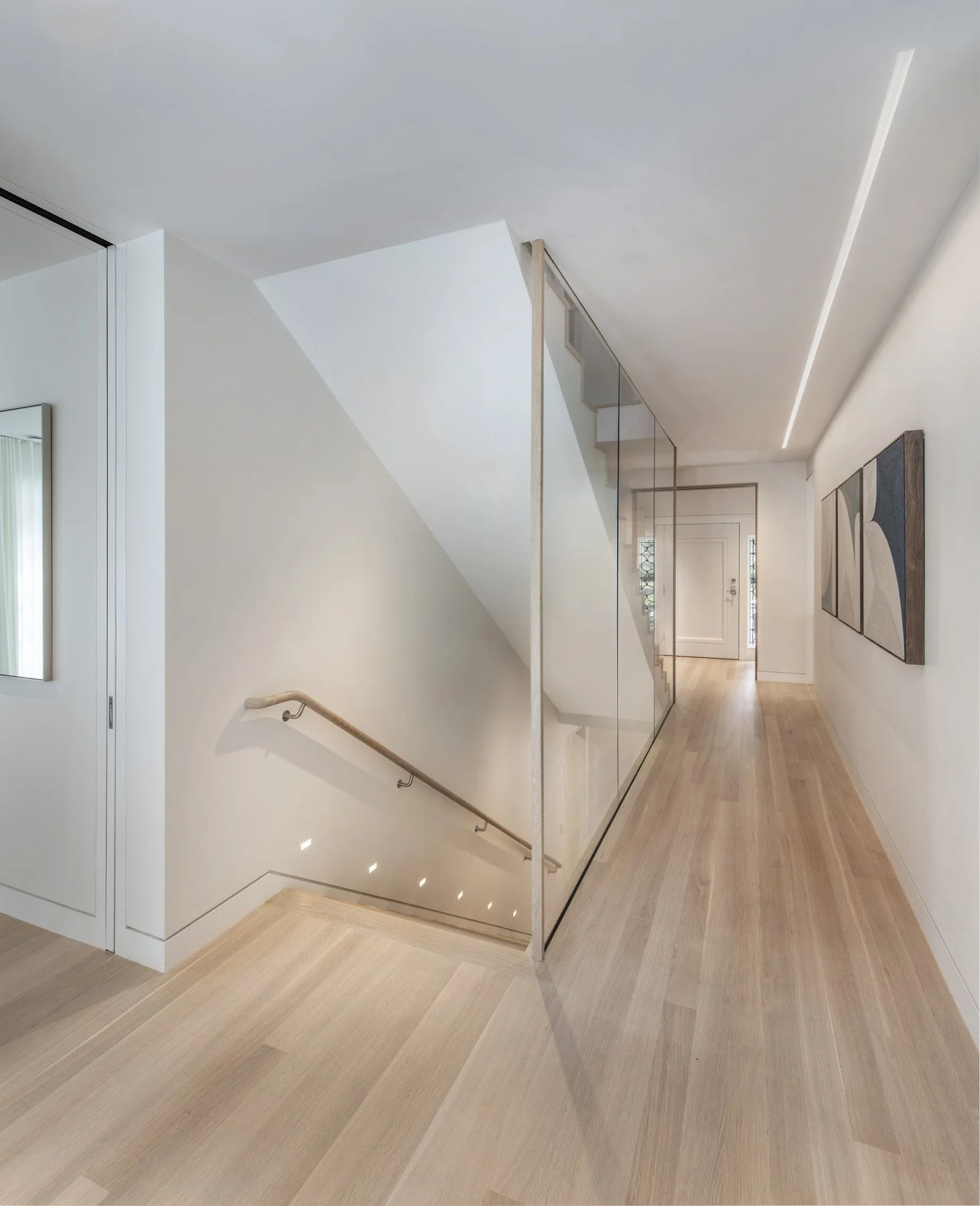
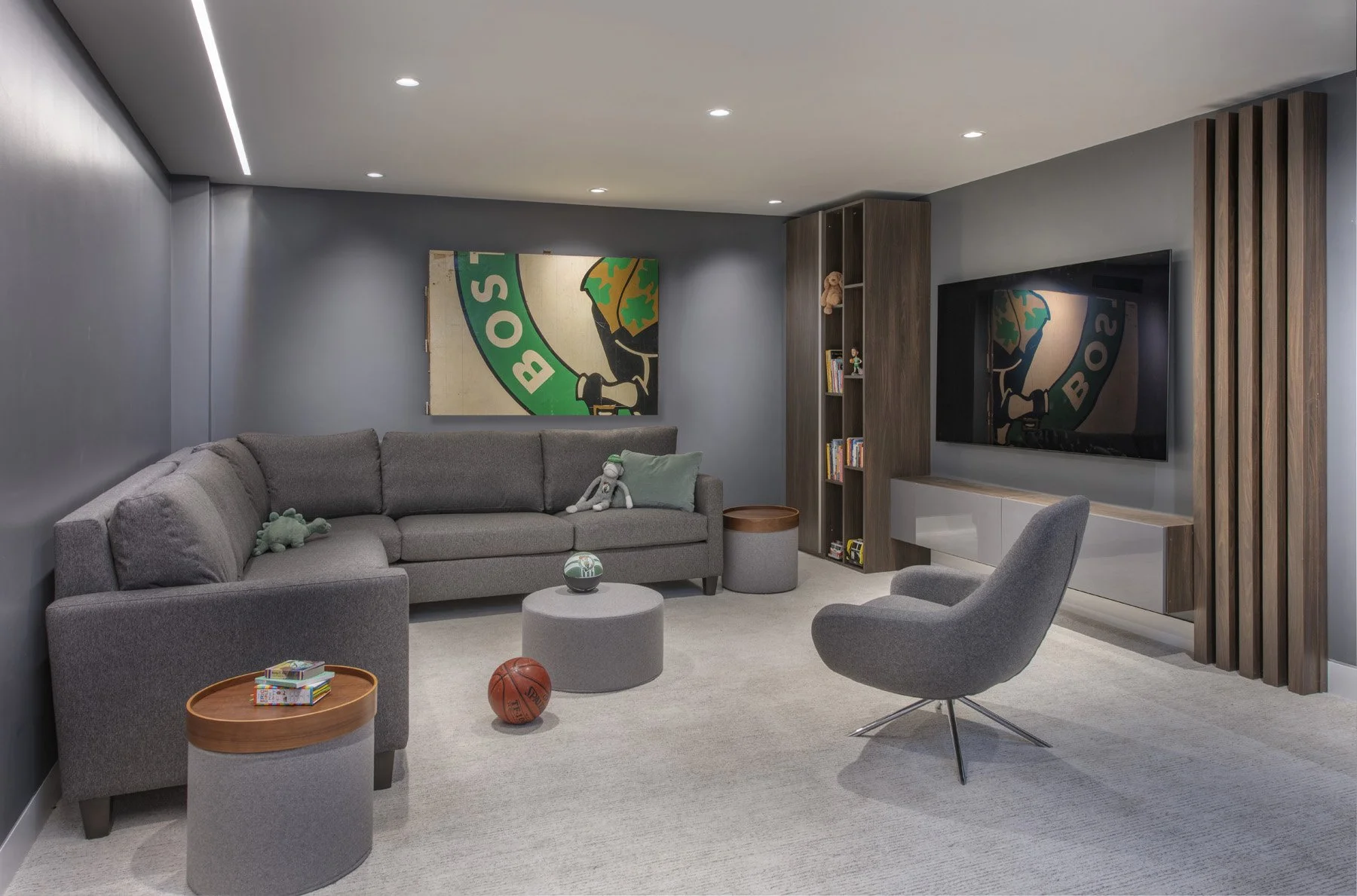
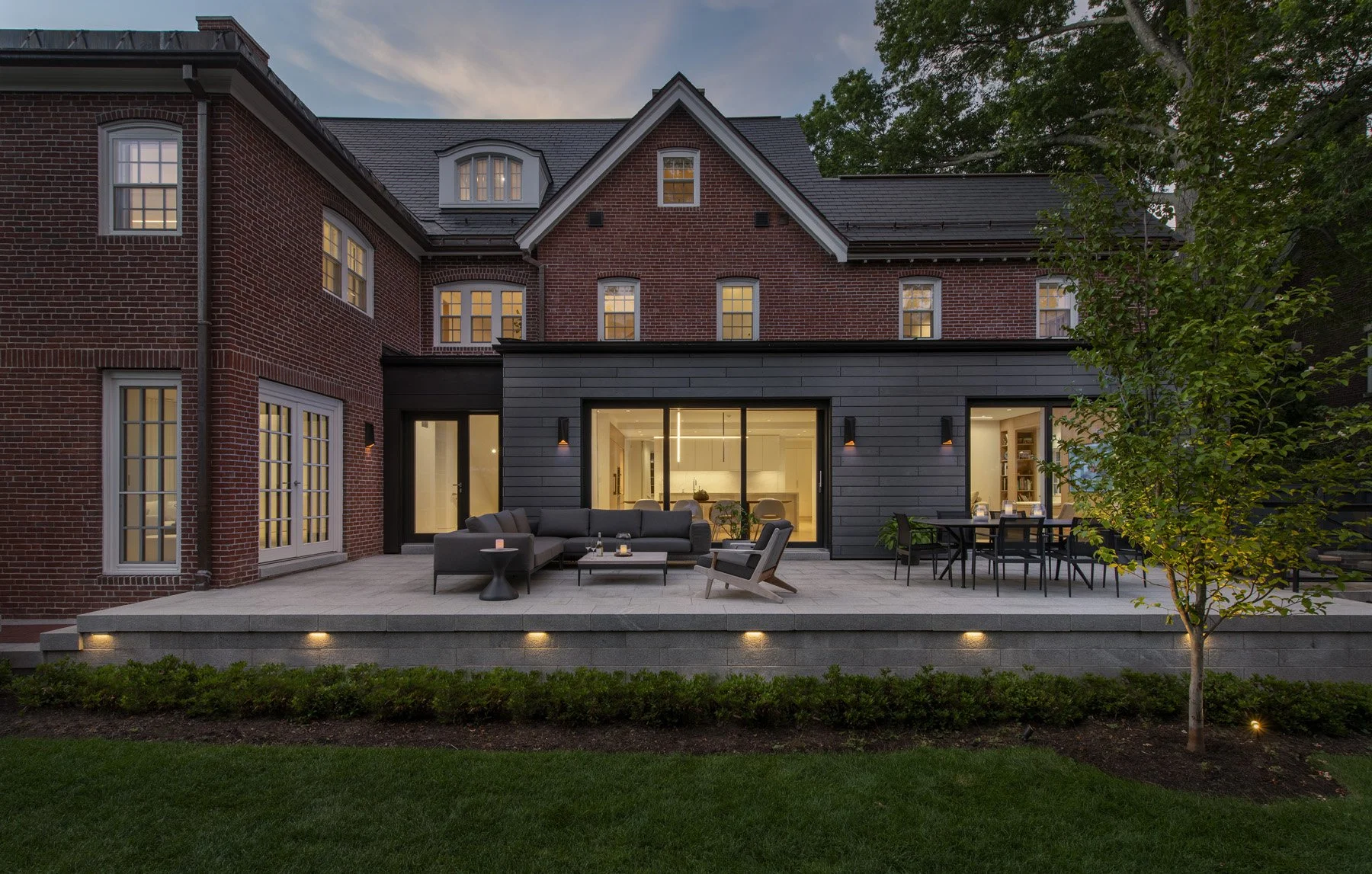
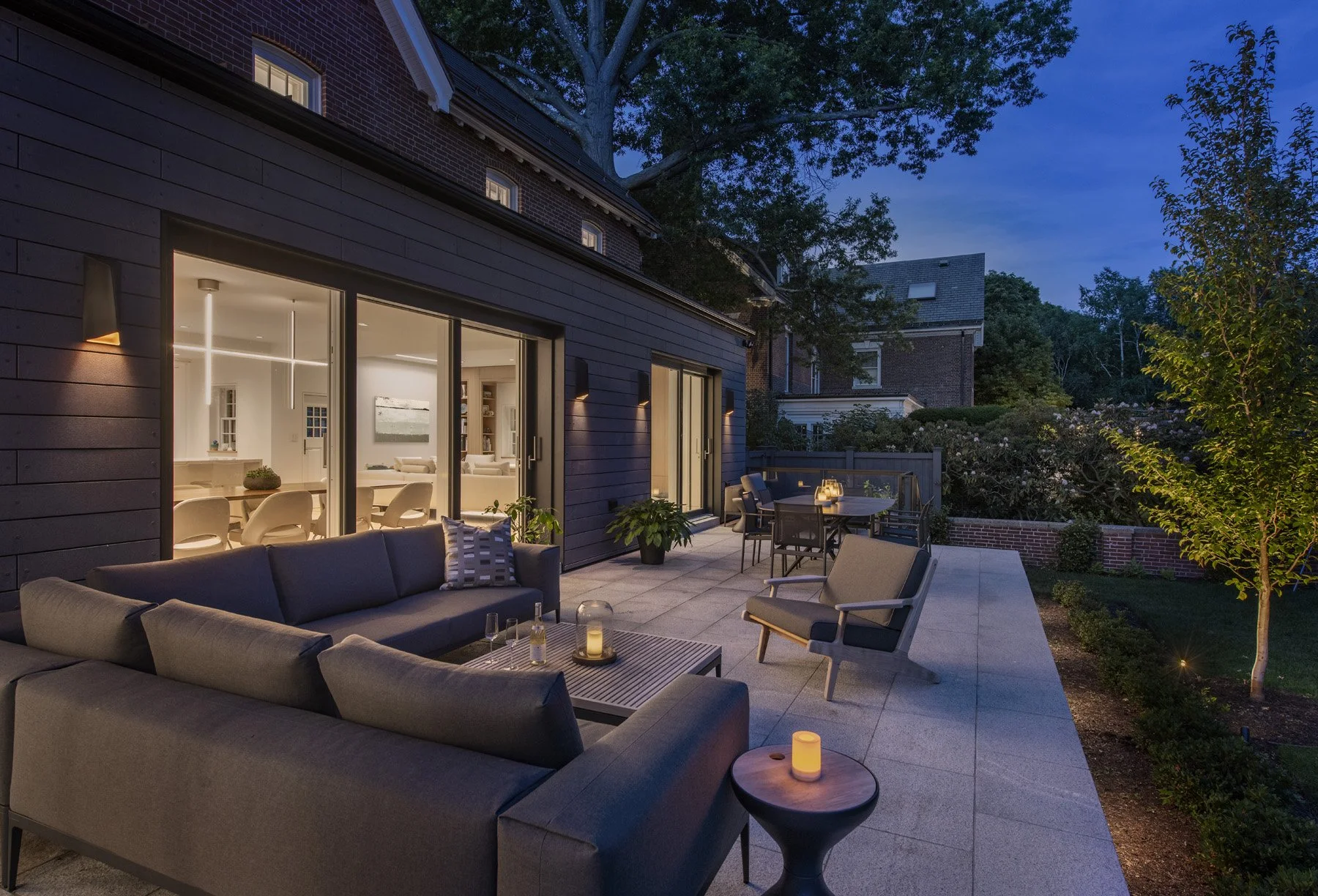
DESIGN. The renovation reimagines the home for today, while preserving the character of its historic shell. A modern rear addition distinguishes itself from the early 20th century architecture with gray concrete plank siding that echoes the texture of the original brick masonry. The elevated patio extends the kitchen, dining, and living areas outdoors, creating a seamless connection to the backyard through oversized lift-slide doors and an abundance of natural light. Inside, the plan was organized around the family’s lifestyle, with an open living space anchored by a functional kitchen and walk-in pantry, a game room for music and play, and dedicated areas for work and quiet retreat. The reconfigured stairs bring daylight deep into the home, while the upper floors provide bedroom suites, a playroom, and an acoustically isolated gym and den beneath dormers and skylights.
LANDSCAPE. The surrounding landscape complements the architecture, pairing the home’s Georgian formality with a modern, livable sensibility. Brick and granite details are interpreted with contemporary precision, while layered plantings, terraces, and open lawn areas invite outdoor living and play. Together, the architecture and landscape honor the home’s historic legacy and support the rhythms of modern family life.
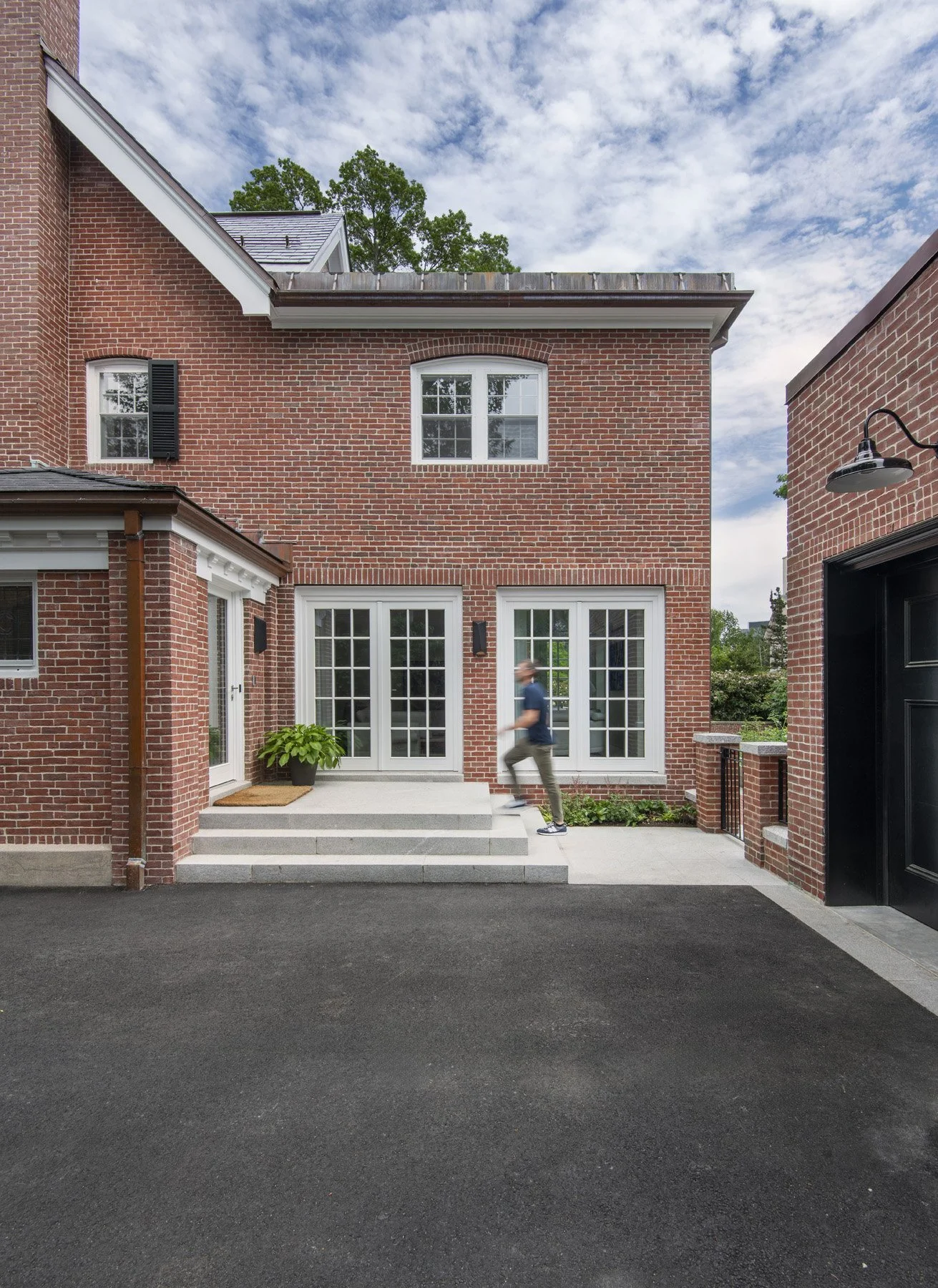
TECHNICAL EXPERTISE. A deep energy retrofit paired historic preservation with modern building science. Testing of the brick and mortar informed repointing and replacement, while hygrothermal analysis guided the placement of air, vapor, and insulation layers to ensure durability. The roof and basement were super-insulated for year-round comfort. To meet Preservation Commission requirements, original single-pane wood windows were retained with storm windows, and high-performance triple-pane units were introduced at the rear addition and existing ell. Restoration included rebuilding the front façade, replacing the slate roof, reconstructing the garage, and reinforcing masonry walls with new structural steel to open the interior. The upgraded enclosure, combined with all-electric heat pumps, mechanical ventilation, and a vented kitchen hood, delivers fossil-fuel-free comfort and healthy indoor air. The result is a resilient, low-energy home that preserves its historic fabric while performing to modern standards.