



BEAUTIFUL, HIGH-PERFORMANCE HOMES & BUILDINGS
Architecture that supports healthier lives, exceptional comfort, and a thriving natural world.


Selected Work
-

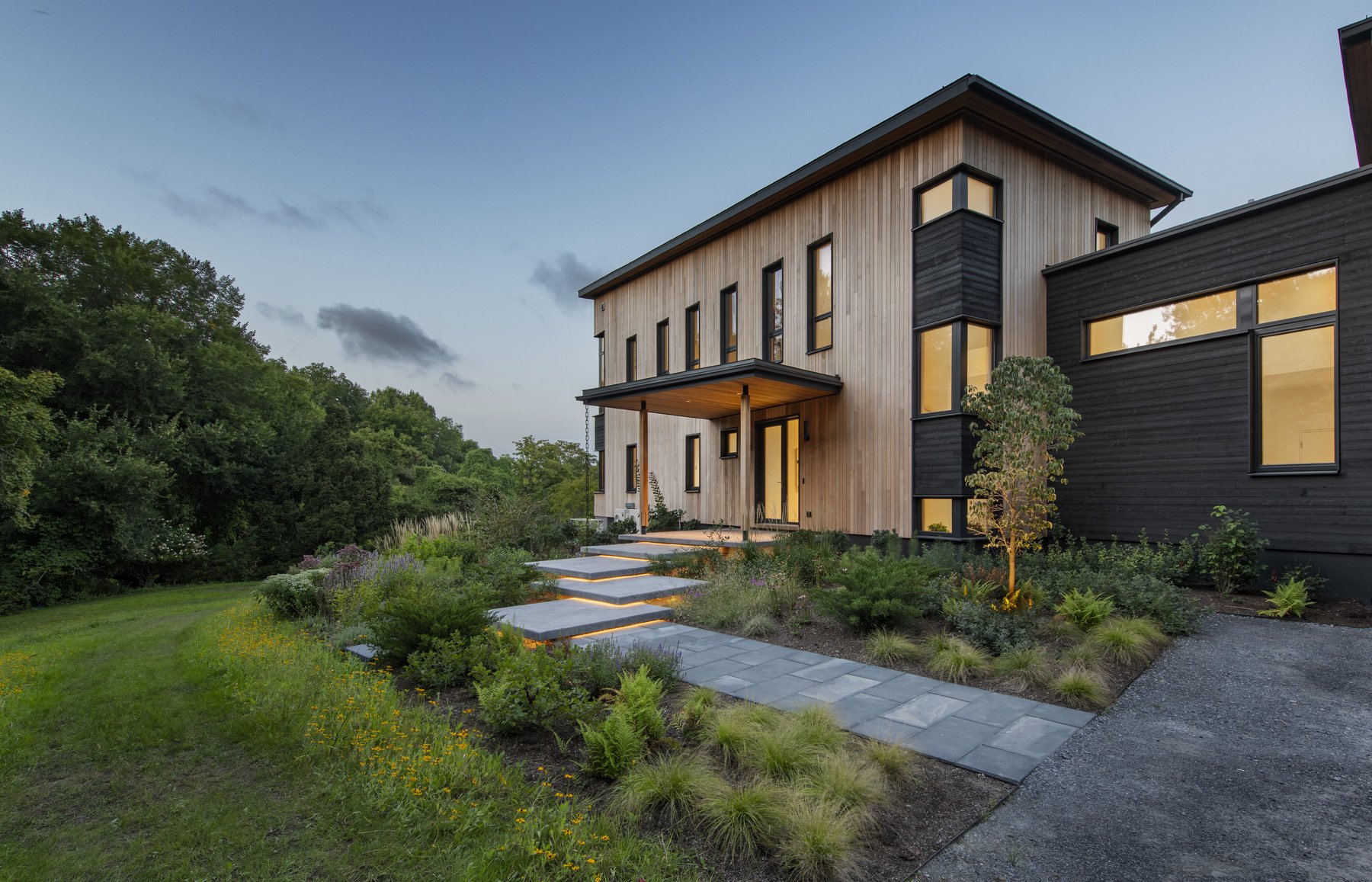
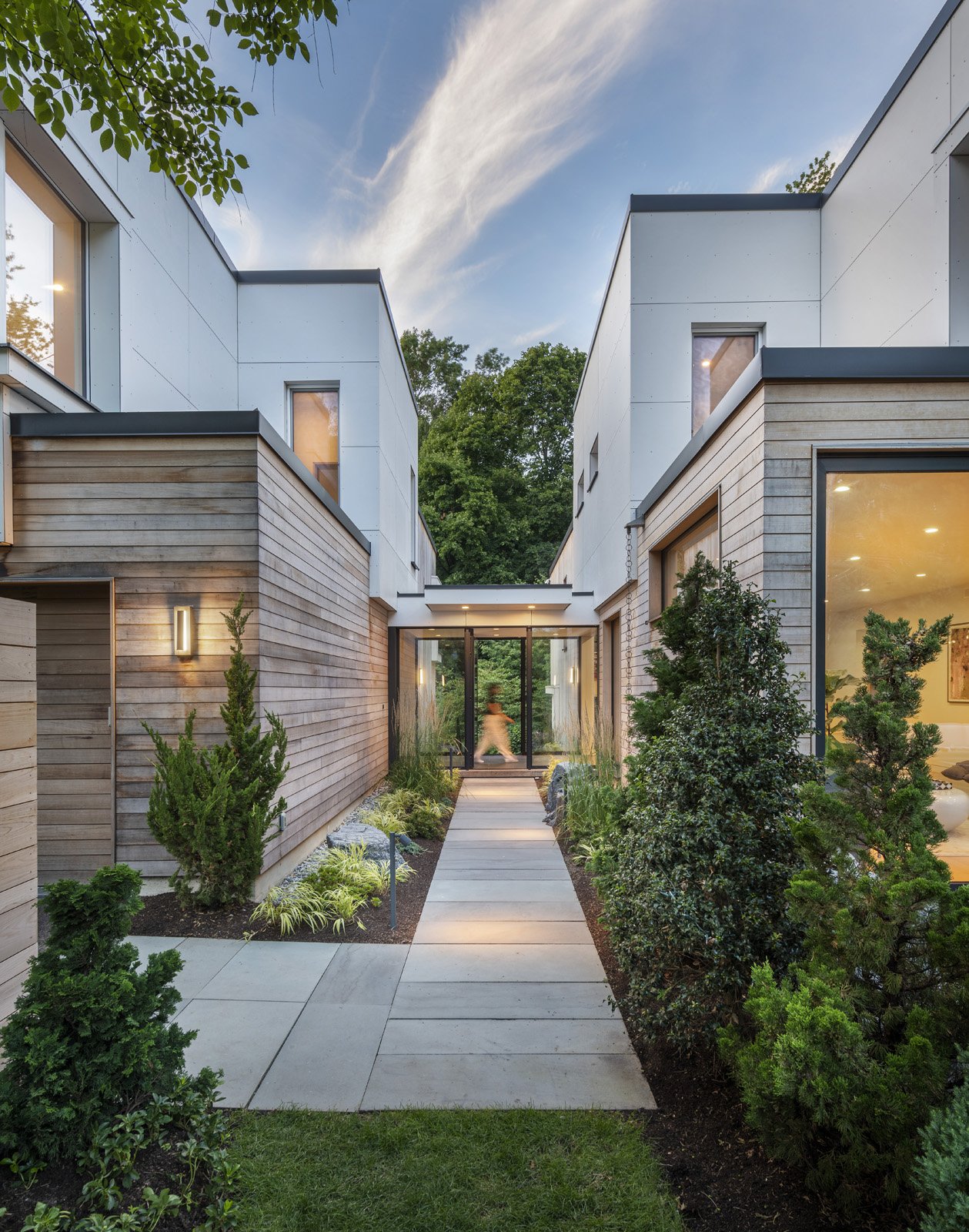
Stow Passive House
Single Family Residence | -4.3kBtu/sf/yr
-

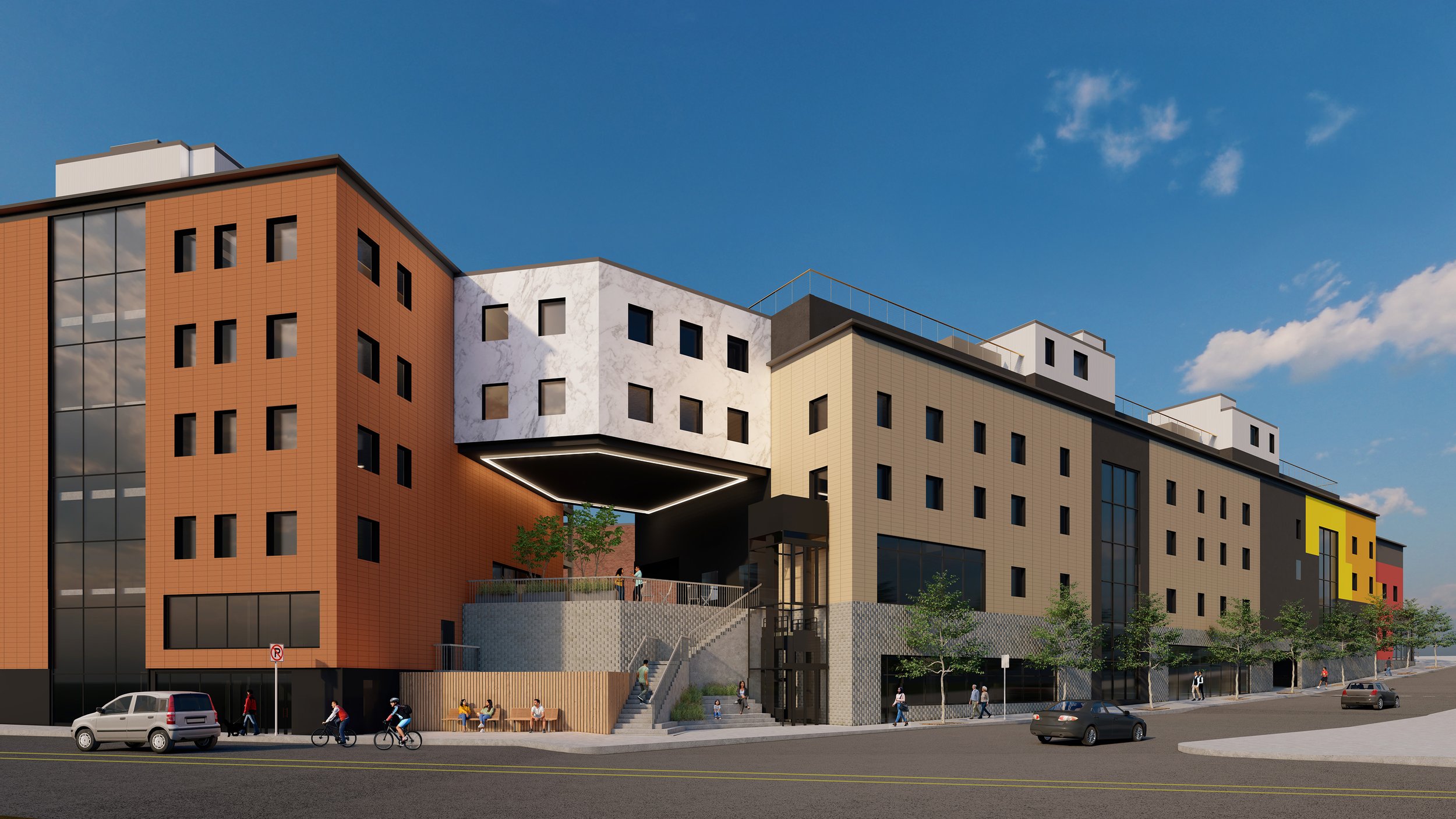
Porter Road Apartments
Cambridge Housing Authority | 26 Unit Affordable Deep Energy Retrofit
-

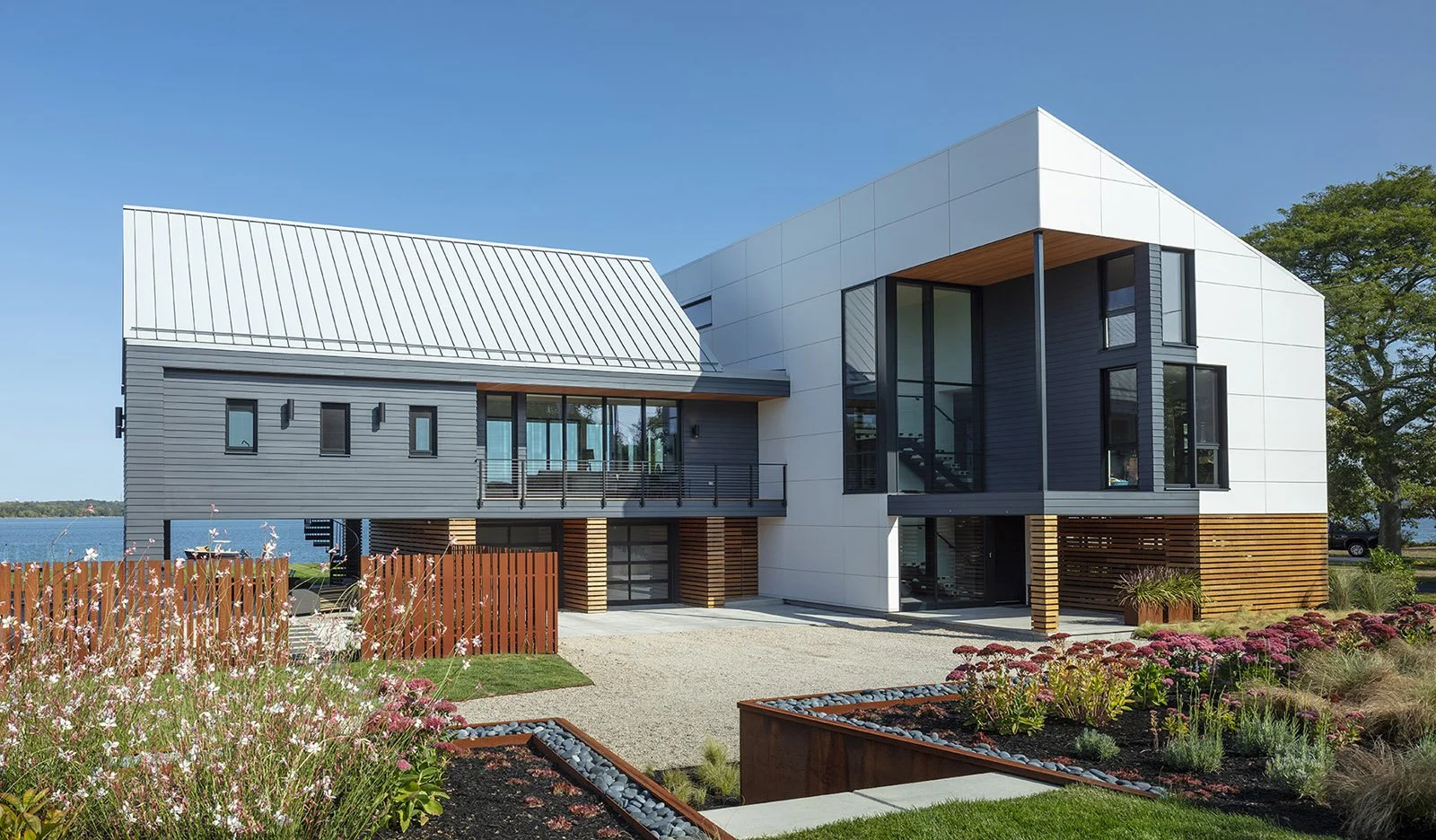
Providence Net Zero
Single Family Residence | 2.5kBtu/sf/yr
-
Belmont Modern 2.0
Single Family Residence | 2.5kBtu/sf/yr
-

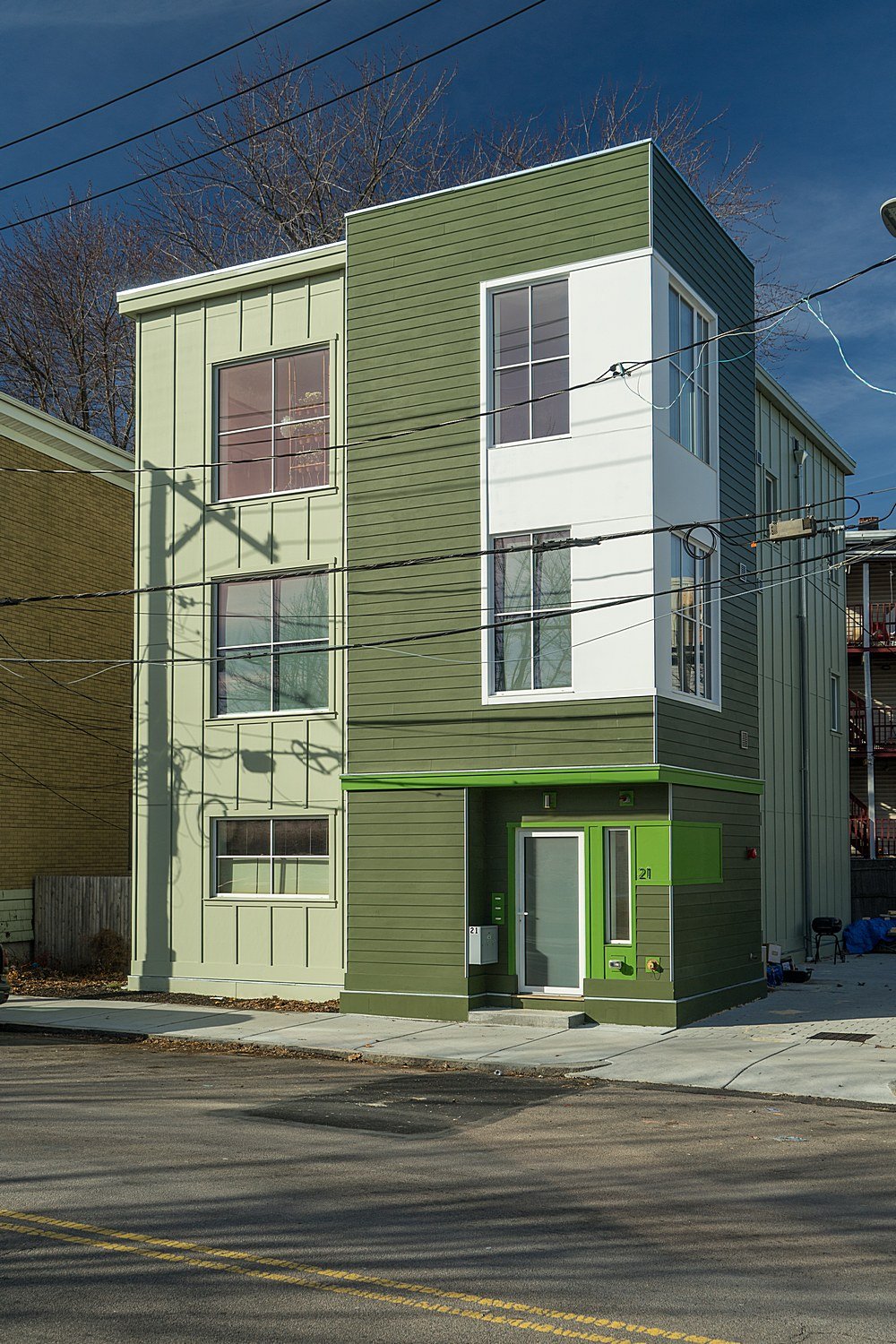
Columbia Street Residences
HRI | 3 Unit Affordable Deep Energy Retrofit
-

Somerville Net Zero
Single Family Residence | -1.40kBtu/sf/yr
THOUGHTFUL DESIGN. RIGOROUS EXECUTION.
How We Work
Design. We begin by understanding how you want to live, and then by crafting the feeling of each space: the quality of morning light in the kitchen, the way the interior opens to the landscape, and the particular patterns of daily life. The result is architecture that feels connected to its place and distinctly your own.
Service. Exceptional buildings result from careful coordination and informed decision-making. We consider design, building science, mechanical systems, constructibility, and cost together, resolving details prior to construction so our clients can navigate the process with confidence.
Performance. We design in alignment with the Passive House Standard to achieve exceptional thermal comfort, healthy indoor air, durability, resiliency, and dramatically reduced energy use. With mechanical design expertise in-house, architecture, enclosure, and systems are integrated from concept through construction.

Press
-
![A modern outdoor living space at dusk with illuminated seating area, reflecting pool in the foreground, and a wooden structure with a ceiling fan.]()
Eco-Inspo
New England Home
-
![Northshore Home ZeroEnergy Design]()
The New Standard
Northshore Home
-
![Cover of a magazine titled 'OASIS of Calm' featuring a spa or resort with a large indoor pool reflected in the water, a wall with a lush green forest-themed mural, and a blue sky with clouds visible through a glass ceiling.]()
Modern Adaptation
New England Home
-
![Cover of Northshore magazine, Fall 2024 issue, featuring a modern kitchen with dark blue cabinets, wooden beams on the ceiling, and a green plant, with text about home design and a QR code.]()
View Finder
Northshore Home
-
![A modern house with large windows, a stone patio, and a fire pit outside. The house has a turret, and the scene is set during dusk or evening.]()
Framing History
Modern Luxury Interiors Boston
-
![A wooden deck with outdoor furniture and a red and white striped umbrella, surrounded by green trees under a blue sky.]()
Greener Homes
Boston Home


CUSTOM & MODERN HOME ARCHITECTS
Who We Are
We are a team of architects, designers, and engineers creating beautiful, healthy buildings that improve our living world.
ZeroEnergy Design is a Boston-based architecture and mechanical design firm working throughout New England. With more than two decades at the forefront of high-performance design, we design custom homes, renovations, multifamily housing, and institutional buildings for clients who value thoughtful design, exceptional comfort, healthy indoor environments, and lasting performance.
We work to reduce operational energy and embodied carbon in the built environment while considering the broader human health and environmental impacts of material choices, from extraction and manufacturing through construction and occupancy.
Say Hello.
Subscribe.
To Our Newsletter


