What is a Passive House, Really?
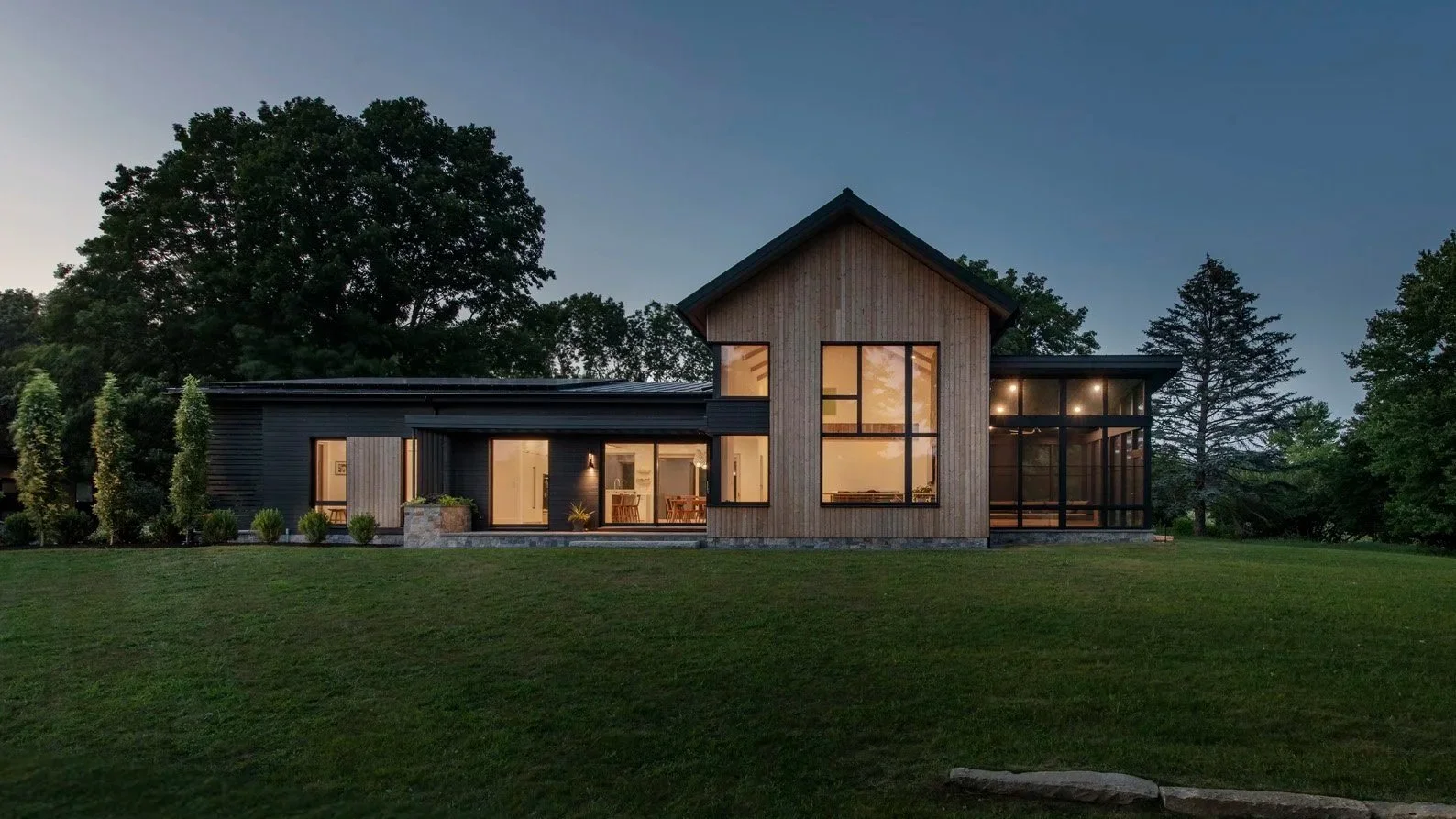
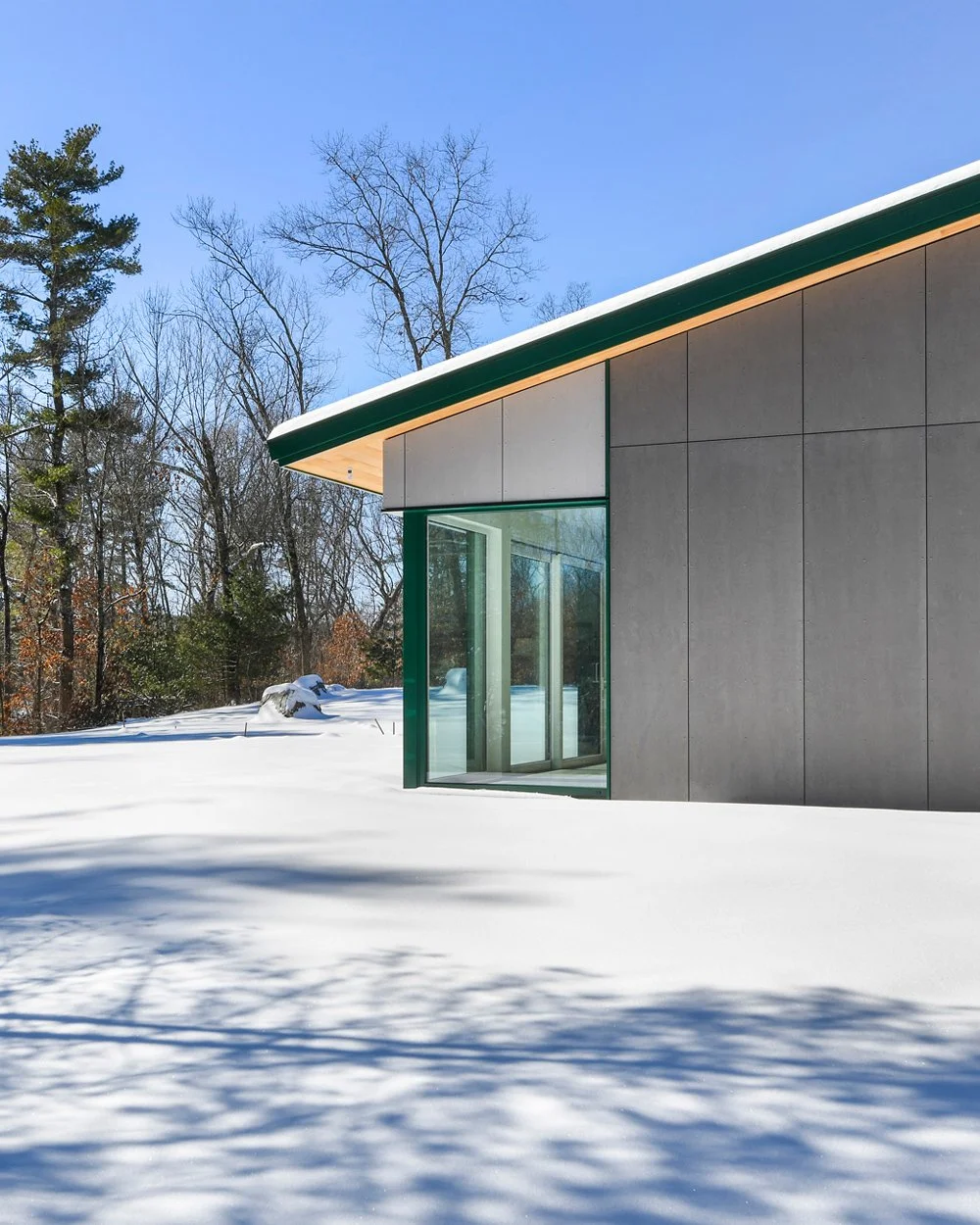
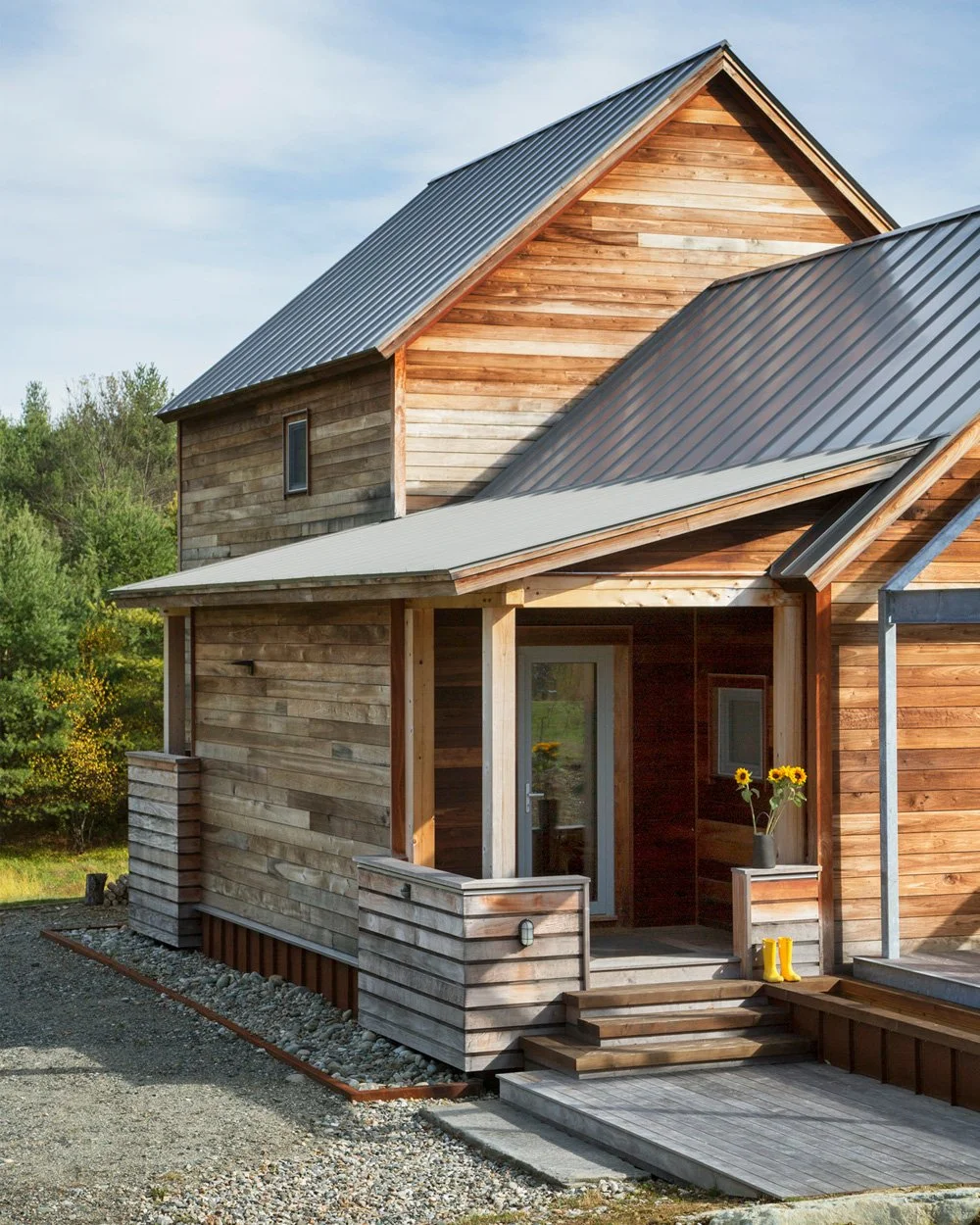
From the outside, it looks like a house. A well-designed one. Quietly modern, nothing performative. The difference is what you don’t see, but will definitely feel.
Heating is the largest form of energy consumption in a typical New England home. A superinsulated, airtight building enclosure - the walls, windows, doors, foundation, and roof - can be used as a passive strategy to reduce the heating energy required. In other words, the 'passive' in Passive House means the design does the work. A Passive House prioritizes:
Insulation → a continuous thermal 'jacket' to slow heat loss
Airtightness → no uncomfortable drafts or energy waste and improved durability
Fresh air ventilation → consistent, healthy indoor environment for your family
High performance windows → triple pane windows allow for warmer indoor temperatures and provide extra noise reduction
Design + orientation → siting to optimize solar heat gain
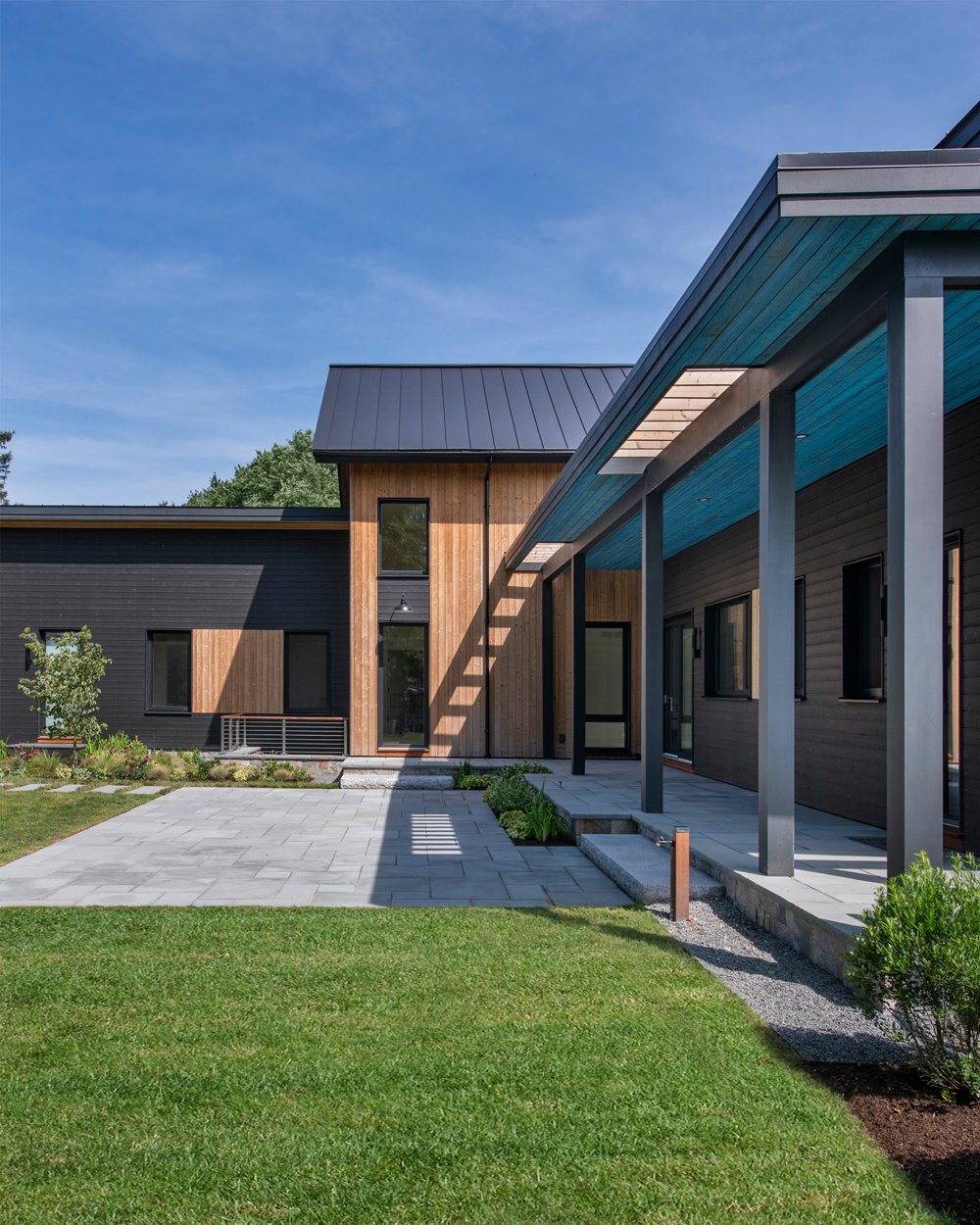
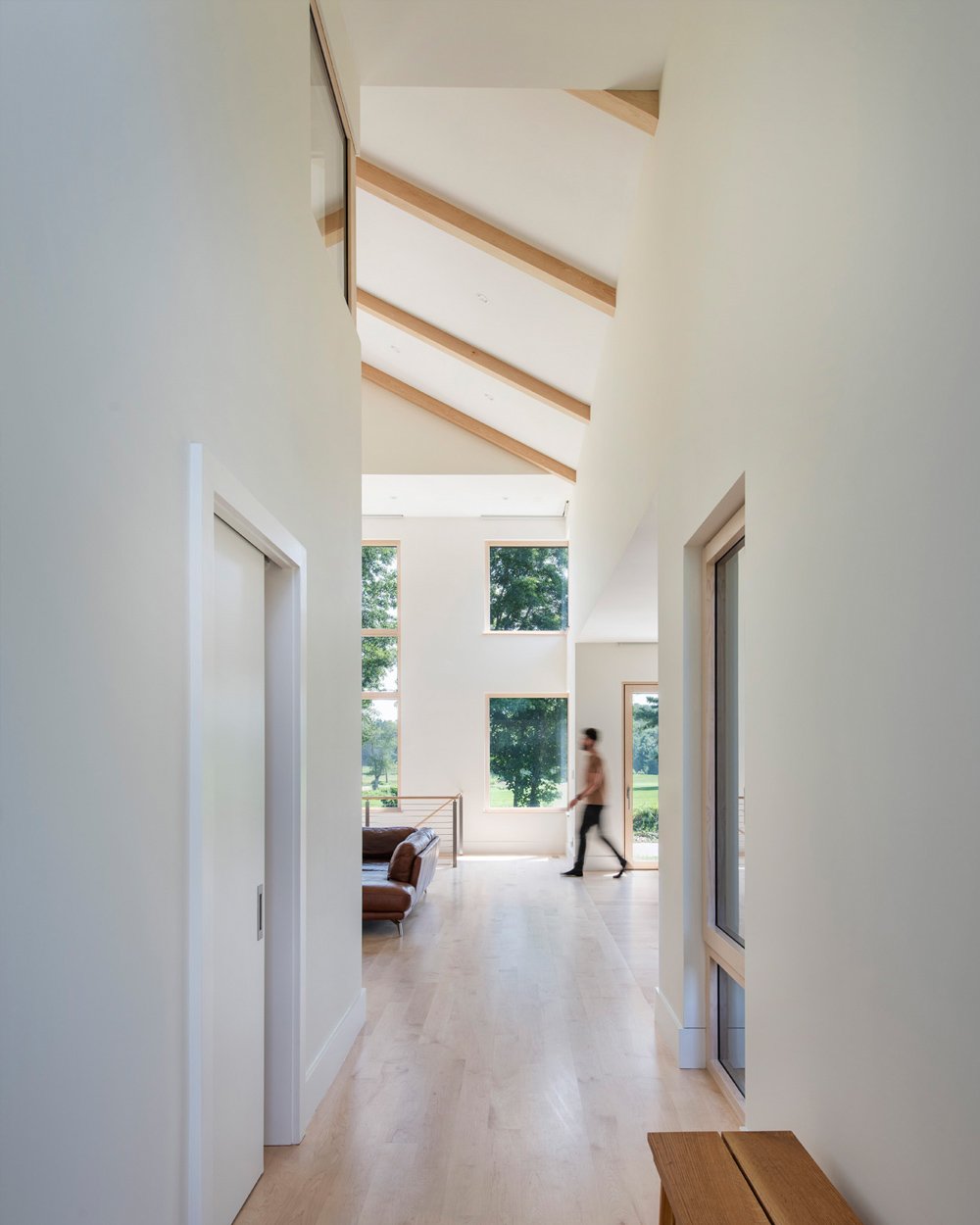
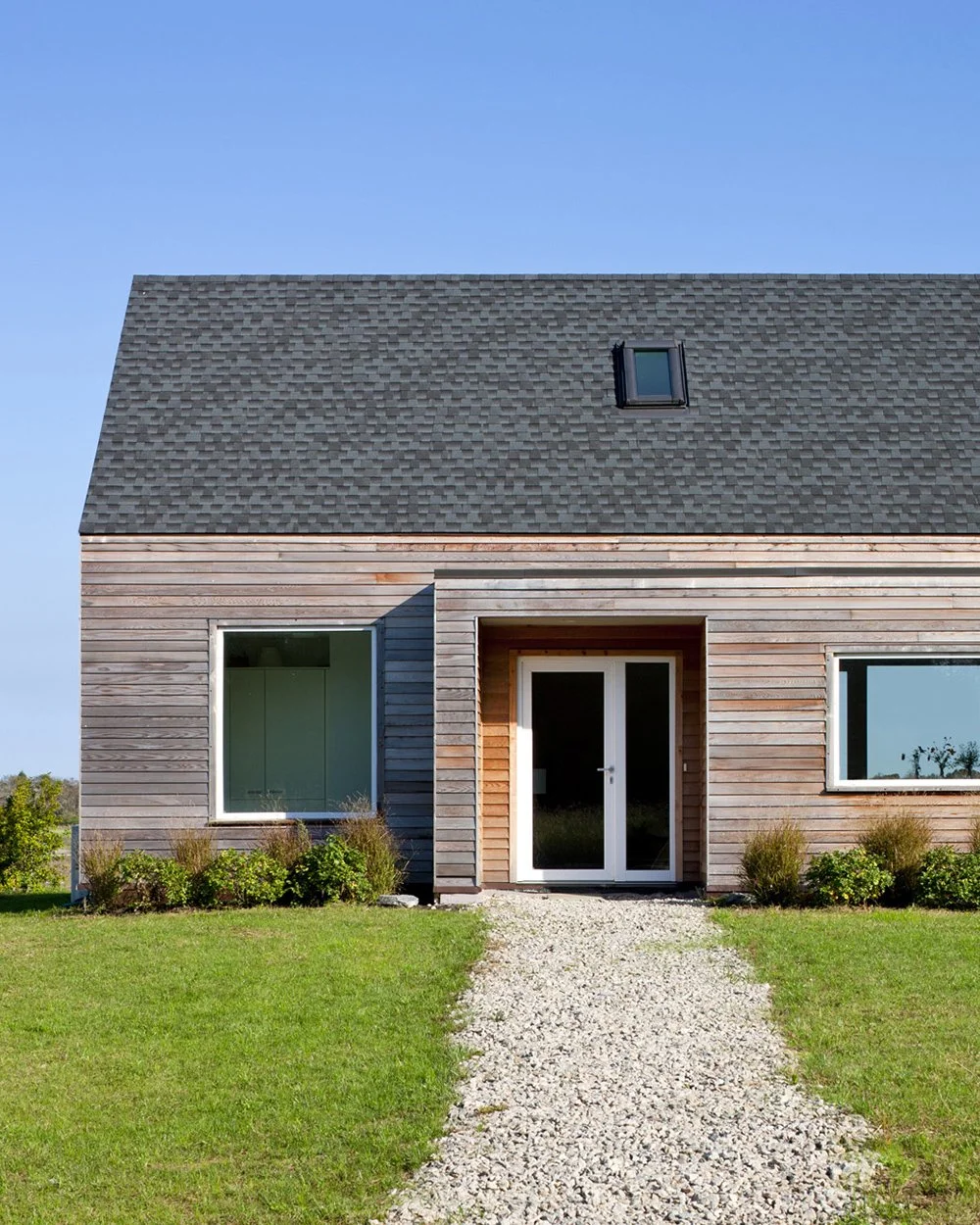
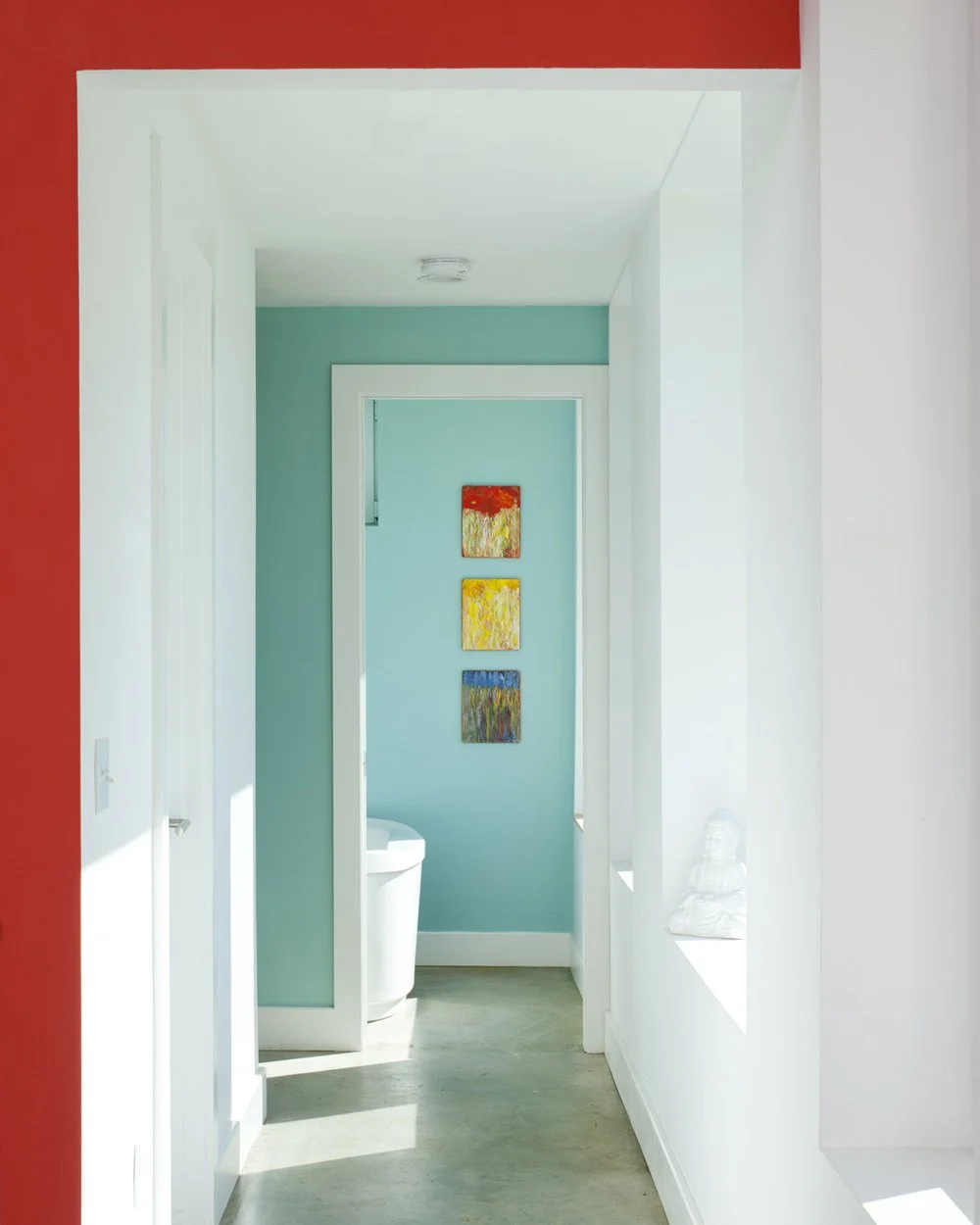
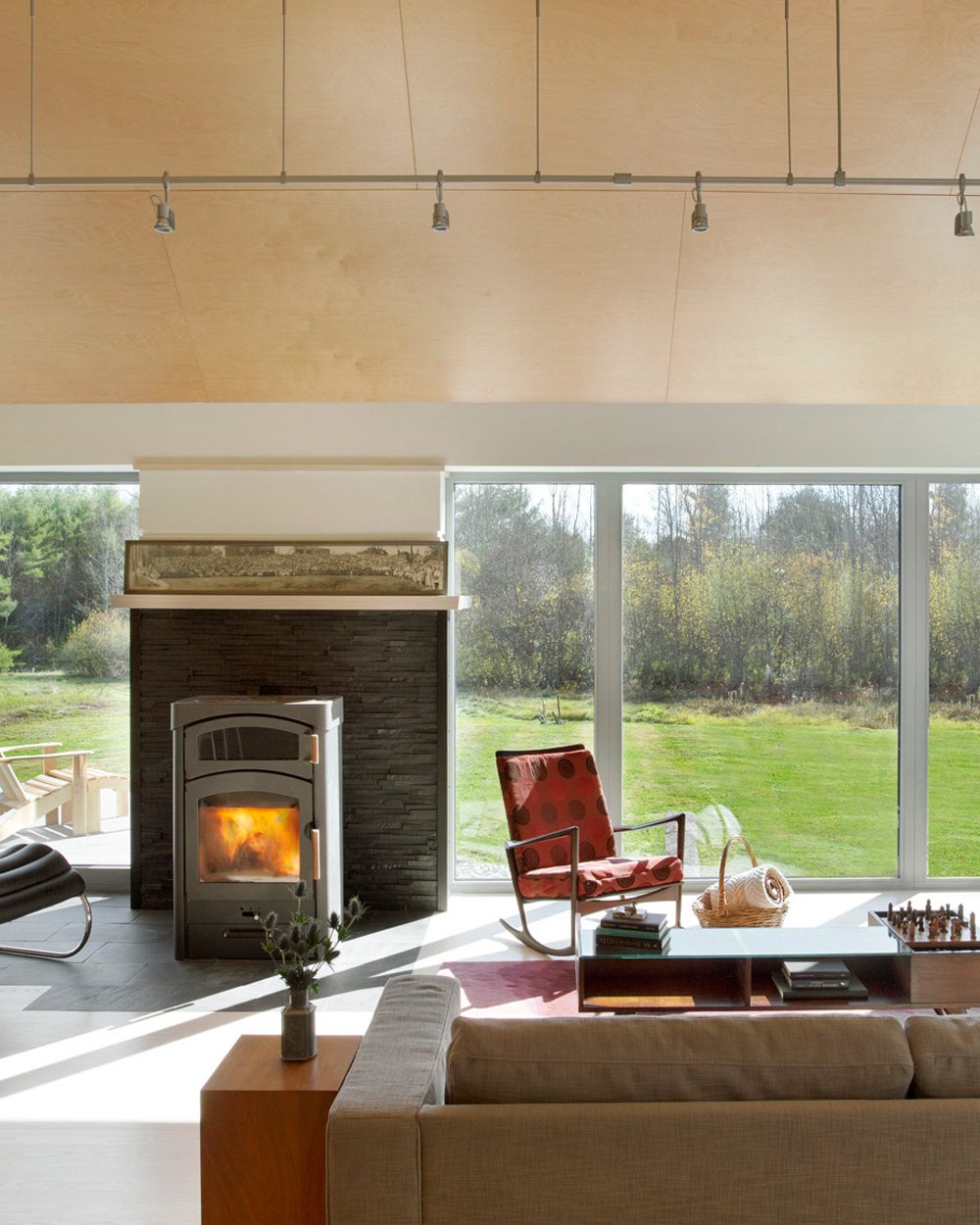
The result is a home that requires a fraction of the heating and cooling energy, along with incredible thermal comfort, healthy indoor air, and a peaceful interior environment. It’s a smarter way to build, especially in cold climates.
If you’re thinking about building or renovating, these decisions matter most before the walls go up.
More on Passive House principles.